
With an impressive coastline stretching over 3,000 kilometers, Vietnam boasts an incredible variety of picturesque beaches, sculpted by its mountains, islands, and breathtaking seas. This guide highlights six of the most beautiful beaches in Vietnam, carefully selected for their beauty and unique vibes. Get ready to pick an idea spot for an unforgettable seaside getaway that promises both relaxation and adventure!
1. Lang Co Beach
Lang Co Bay stretches for 42 kilometers and is located approximately 60 kilometers from Hue and 20 kilometers from Da Nang. Nestled at the base of the majestic Hai Van Pass, this crescent-shaped bay features a unique landscape where lush mountains rise just behind the pristine white-sand beach and turquoise water, complemented by an enchanting lagoon system that enhances its natural beauty. This destination is perfect for travelers seeking a peaceful beach vacation after exploring three nearby UNESCO World Heritage Sites: Hoi An Ancient Town, the Imperial Citadel of Hue, and My Son Sanctuary.
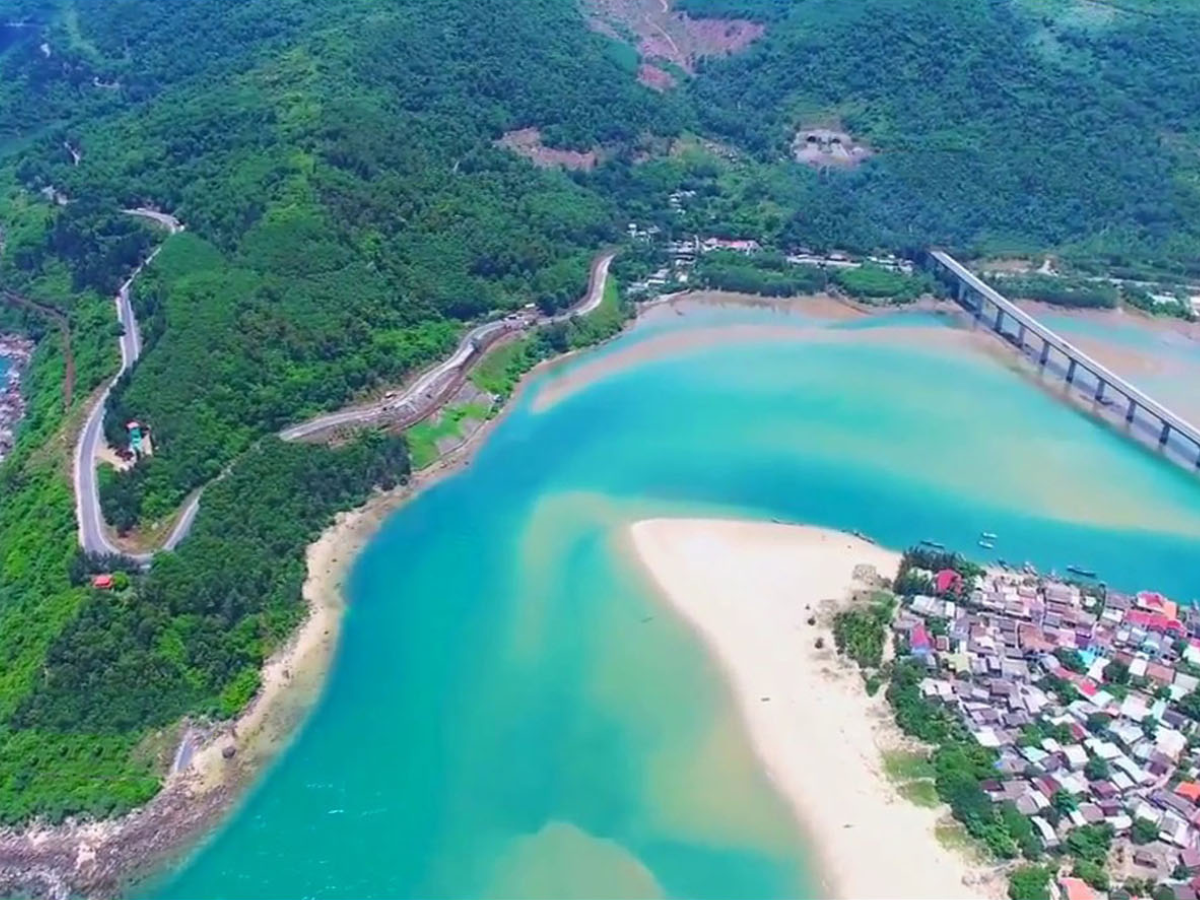
The best time to visit Lang Co Beach is from late March to early September. During this period, the weather is sunny, the sea is crystal clear, and the sky is a bright blue. Average temperatures range from 24°C to 30°C, making it ideal for swimming and sunbathing. To get to Lang Co beach, you can fly to either Phu Bai Airport (Hue) or Da Nang Airport from major cities such as Hanoi, Saigon, Phu Quoc, Nha Trang, etc, and continue your journey by car.
From Phu Bai Airport (Hue): Take a taxi for a 75 km ride to Lang Co, which takes about 1 hour.
From Da Nang Airport: Drive through the scenic Hai Van Pass or Hai Van Tunnel.
Another option to reach there is by day or overnight train from Danang, Hanoi, or Saigon, which offers stunning views along the way at a reasonable cost.
2. Quy Nhon Coastline
Quy Nhon is a hidden gem among Vietnam’s seaside treasures, offering a romantic beach retreat. This tranquil coastal city blends pristine beaches, ancient Cham ruins, and warm local hospitality.
Escape to Ky Co Beach, often regarded as the crown jewel of Quy Nhon, with its mesmerizing turquoise waters, soft white sands, and dramatic cliffs. It’s the perfect spot for snorkeling and swimming!
Don’t miss Eo Gio, where you’ll be awestruck by the stunning cliffs and panoramic ocean views that seem to stretch forever. For those seeking tranquility, Cu Lao Xanh Island (Green Island) offers an idyllic retreat with pristine beaches and gentle waves, while Hon Kho Island invites you to explore vibrant coral reefs and fishing villages.
Queen Beach, near Ghenh Rang Hill, is adorned with smooth, round stones and offers picturesque coastal scenery. Additionally, Quy Nhon Beach, in the city center, offers a 5-kilometer stretch for evening strolls, swimming, and sampling delicious local cuisine.
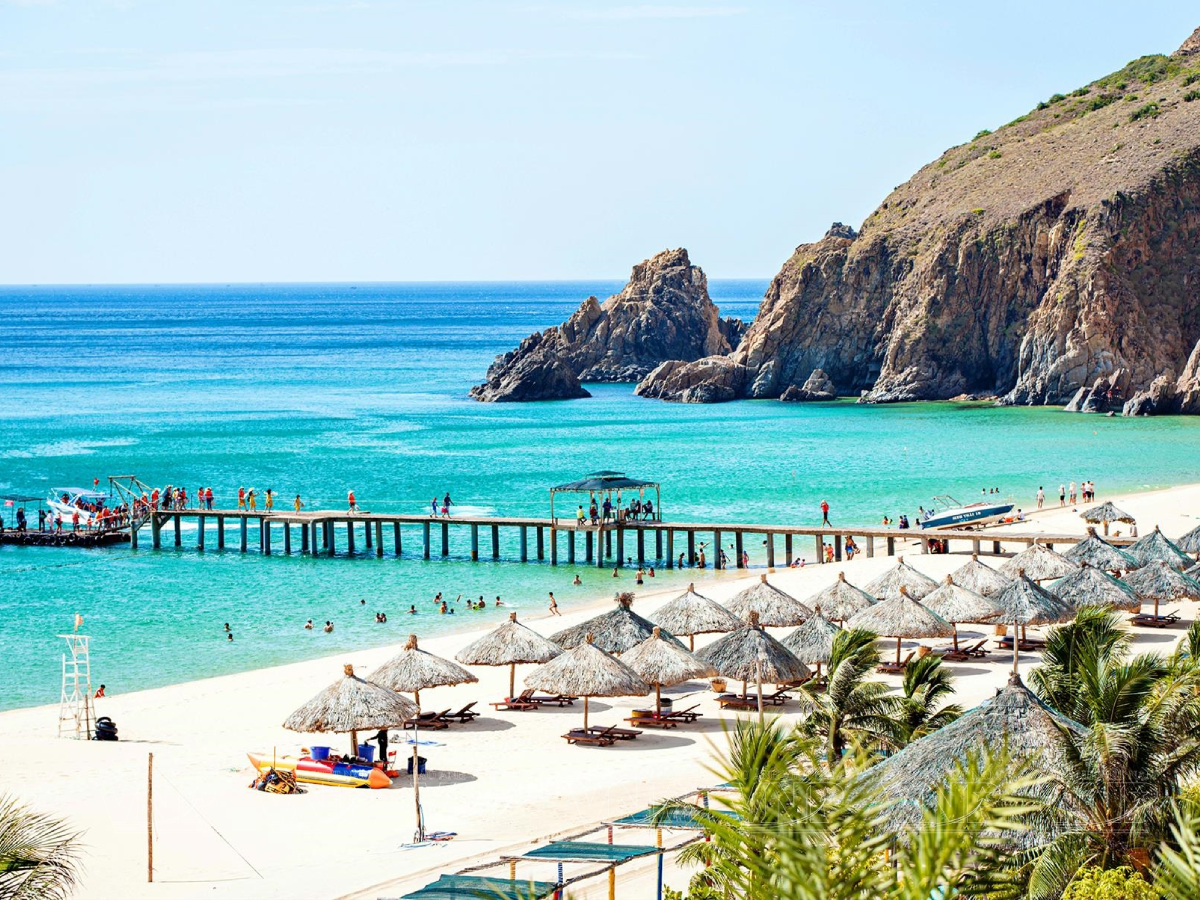
To reach Quy Nhon, you can fly into Phu Cat Airport, which is located about 30 km from the city. Flights are available from major cities such as Hanoi or Ho Chi Minh City. Alternatively, you can take the Reunification Express train to Dieu Tri Station for a long-distance travel. Another option is to take a direct bus to the city center. The best time to visit Quy Nhon for beach activities is during the dry season, from March to September, when the water is clear and the waves are gentle.
3. Nha Trang Beach
Are you looking for a beach escape that offers diverse marine activities and vibrant nightlife? Nha Trang, a beautiful coastal city, is waiting for you to explore!

The city's greatest attraction is its sandy beaches, which overlook a stunning bay dotted with 19 islands and islets. Tran Phu Beach is the city's centerpiece, featuring a 7-kilometer stretch of yellow sand along the cosmopolitan coastline. It buzzes with vacationers every day who enjoy soaking up the sun on countless loungers. The beach is also a hotspot for watersports, including parasailing, kite surfing, paddleboarding, and jet skiing.
Drive 25 kilometers south of Nha Trang to discover the unspoiled beauty of Bai Dai. Set against lush green mountains, this beach offers shallow turquoise waters and delicious seafood at local restaurants. About 40 kilometers north of Nha Trang City is Doc Let Beach, a hidden gem in Van Phong Bay. Surrounded by a forest grove, it features a 2.5-kilometer stretch of white sand with calm, shallow waters, making it perfect for families with children, older adults, swimming, and canoeing. For those looking to escape the hustle and bustle of the city, Ninh Van Bay impresses with its emerald waters, tranquil beaches, and a relaxed pace of life, as well as luxury beachfront resorts such as An Lam Ninh Van Bay Resort, l’Alya Resort, and Six Senses Ninh Van Bay.
Nha Trang offers a wealth of activities beyond its beautiful beaches, featuring fascinating cultural sites, exciting island adventures, and vibrant entertainment hubs. Set aside a day to explore Hon Mun Island, Vietnam’s only protected marine reserve, which is perfect for scuba diving and snorkeling. Another highlight is VinWonders, a comprehensive island playground that boasts a large amusement park and a high-quality golf course. In town, you can explore the Po Nagar Cham Towers, which were constructed in the 8th century by the Cham people. The impressive architecture reflects a blend of multiple religions, including Hinduism, Buddhism, and Islam. Visit Nha Trang Cathedral to admire its ornate French-style stained-glass windows and grand columns. At Long Son Pagoda, a towering Buddha statue overlooks the city from a hillside. The town's dynamic entertainment scene is led by the Sailing Club Nha Trang, a flagship venue for over twenty years. For stunning views, head to Skylight Nha Trang, on the 43rd floor of the Havana Hotel, where you can enjoy a 360-degree Skydeck. After sunset, international DJs and live performances take center stage.
Nha Trang provides a range of accommodation options, from luxurious resorts to tranquil retreats and downtown hotels, ensuring you can find a comfortable place to rest.
The best time to visit Nha Trang is typically from January to August. The rainy season, which can bring heavy rains and potential typhoons, lasts from late September to December.
4. Phan Thiet Beach
Unlike the sheltered bays of central Vietnam or the island atmosphere of Phu Quoc, the coastline around Phan Thiet, particularly along the Mui Ne stretch, is shaped by steady wind that plays a defining role in how the beach looks and feels.. That wind is not a minor detail; it determines how the beach looks, how the sea behaves, and what kind of traveler will appreciate it most.
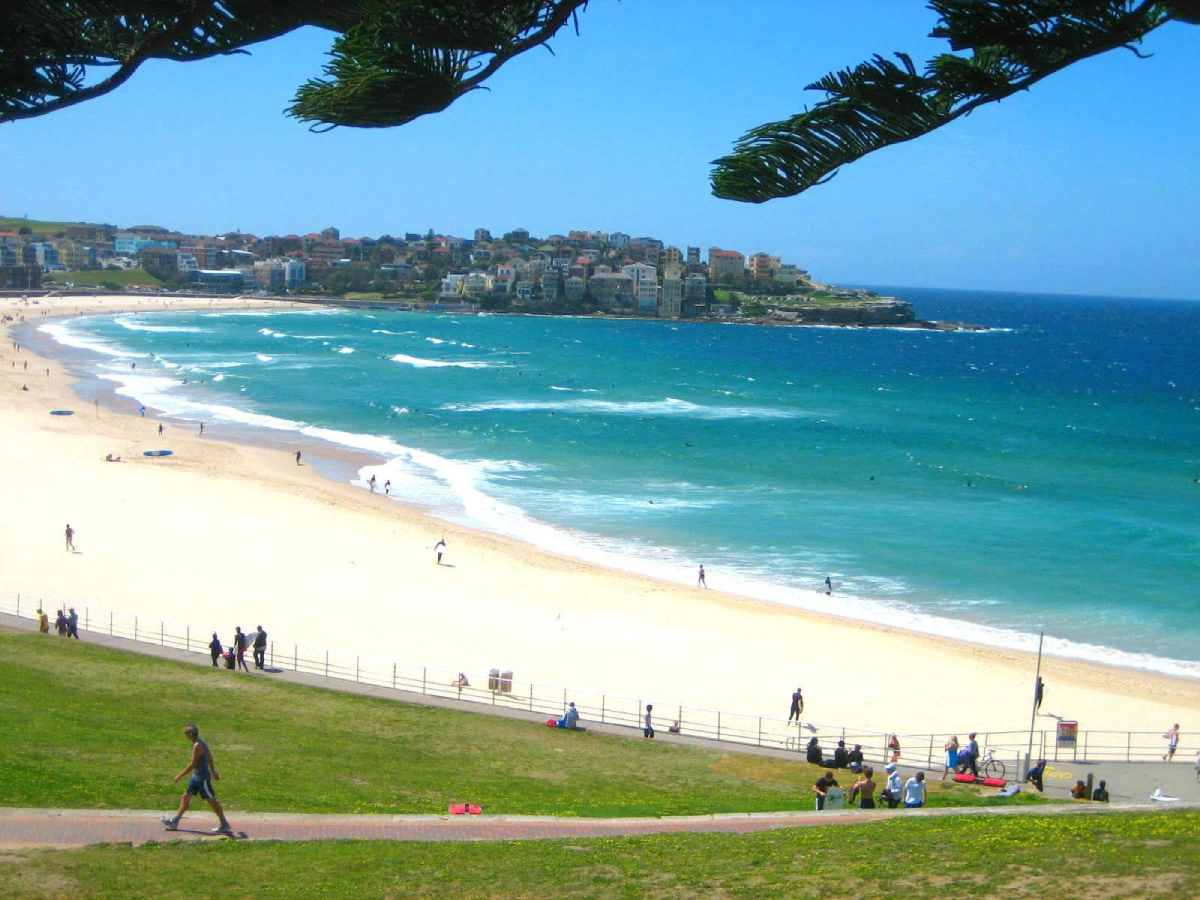
On many afternoons, the surface of the water is textured rather than glassy, and gentle rolling waves are replaced by steady swells. For swimmers who imagine perfectly calm turquoise water, this can come as a surprise. For kitesurfers, however, it is precisely why Mui Ne has earned international recognition. During the peak windy season, the horizon fills with sails, and the beach transforms into a dynamic, constantly shifting scene.
What makes Phan Thiet visually compelling is not only the shoreline itself but the surrounding terrain. Just inland, the red and white sand dunes rise in soft curves that catch the early morning light, creating a landscape more reminiscent of arid coastal regions than tropical Southeast Asia. Many travelers combine a sunrise dune visit with a late-afternoon beach walk, which adds dimension to what might otherwise be a simple seaside stay.
Instead of competing with Vietnam’s calmest beaches, Phan Thiet offers something more kinetic. The wind reshapes the shoreline each day, and the wide, open horizon gives the coast a sense of movement rather than stillness. For travelers who appreciate landscapes with texture and energy, that difference is precisely the attraction.
Its proximity to Ho Chi Minh City also changes how it functions within an itinerary. Rather than requiring a separate flight or complex transfer, Phan Thiet often becomes a natural coastal extension to southern Vietnam travel. A few days here provide contrast from city streets to open sand without adding logistical weight to the journey.
5. Con Dao Island
In 2026, when many Southeast Asian islands continue to expand their resort footprints, Con Dao remains defined by protection rather than expansion. More than 80% of the archipelago falls under Con Dao National Park, including significant marine zones. This matters because it directly affects what visitors experience: clearer water in certain seasons, healthier coral areas, and beaches that feel spatially open rather than commercially layered.
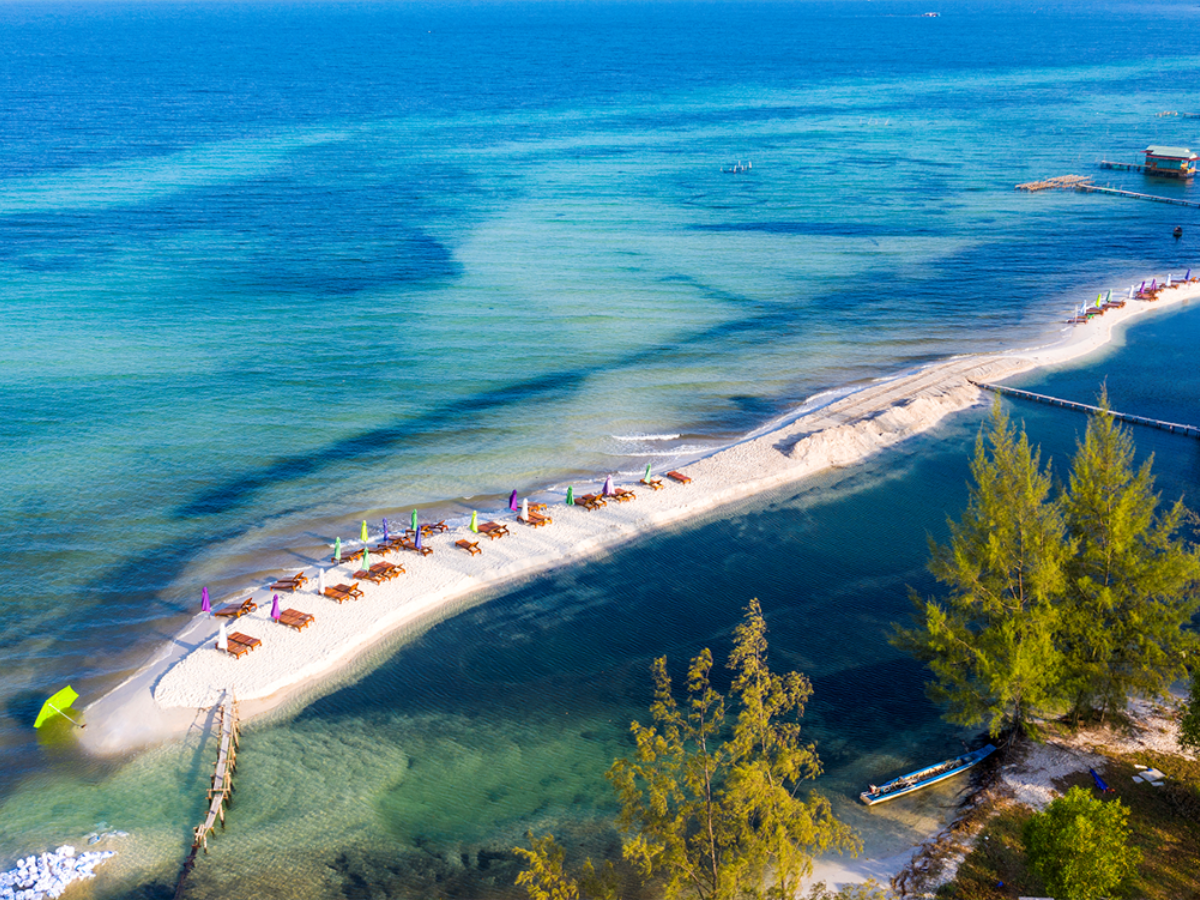
Unlike destinations built around one central beachfront, Con Dao beaches are scattered and varied. Dam Trau Beach, located near the airport, is known for its broad sandy stretch and relatively calm conditions during stable months. Bai Nhat appears only at low tide, revealing a sandbar that visually connects sea and hillside. Smaller coves along the coastal road offer sections of sand backed by dense forest, where development remains minimal.
Water clarity is one of the island’s strongest assets. Between roughly March and September, the sea can be notably transparent on sheltered sides of the island, making snorkeling possible close to shore. Boat trips to surrounding islets provide access to better-preserved reef areas compared to mainland coastal cities. For travelers who value underwater visibility as much as beach aesthetics, this distinction is significant.
The atmosphere changes after sunset. Streets quiet down, restaurants remain low-key, and the absence of nightlife districts reinforces the island’s overall character. Accommodation options exist across different levels, yet the total room supply is limited, which helps maintain lower visitor density.
For a 2026 Vietnam beach itinerary, Con Dao Island is less about convenience and more about environmental integrity. Travelers who choose it typically do so for clear water, protected landscapes, and the possibility of standing on a wide stretch of sand without the visual clutter of large-scale development.
6. Phu Quoc Island
Phu Quoc, often referred to as Vietnam's enchanting "pearl island," has truly blossomed into a tropical paradise in recent years. Nestled off the southern coast, this vibrant destination beautifully merges stunning sandy beaches, turquoise waters, and lush, forested interiors, all within easy reach. The island's beaches are particularly captivating! Sao Beach and Khem Beach invite you with their fine white sand beaches and tranquil waters, while Ganh Dau Beach, Cua Can Beach, and Lang Ong Beach offer serene spots embraced by verdant landscapes and charming coastal developments.
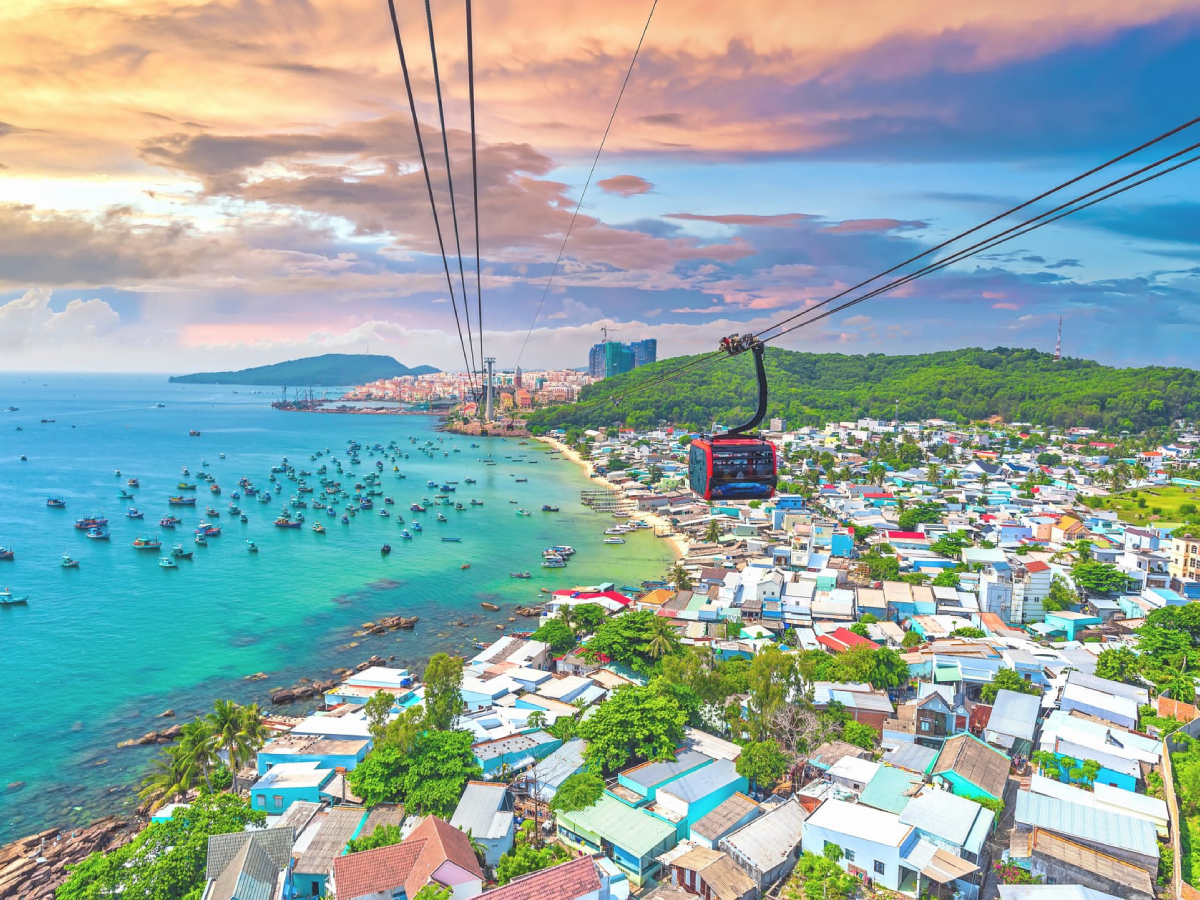
Accommodation options in Phu Quoc range widely, including boutique resorts and ultra-luxurious, award-winning resorts that cater to families with small children, couples, and friends. For a more peaceful experience, you may want to consider hotels on isolated beaches, such as Mango Bay, Green Bay Resort, or Chen Sea Resort. The most popular beach is Bai Truong (Long Beach), which offers central convenience and breathtaking sunsets and features numerous brand properties, such as the Novotel Resort, Pullman, Sol by Melia, Intercontinental Resort et Regent Phu Quoc. If you are looking for a luxurious atmosphere, check out Kem Beach, home to the JW Marriott Phu Quoc and Premier Village Resort.
Beyond beach relaxation, Phu Quoc offers a mix of thrilling theme parks, marine and terrestrial activities. Top activities include riding the world's longest sea-crossing cable car to Hon Thom Island, exploring VinWonders amusement park, visiting the Phu Quoc Night Market, snorkeling in the south to explore coral and marine fauna systems in crystal waters, hiking through primary forests, and watching sunsets and show Kiss of the Sea in Sunset Town.
Phu Quoc reflects both established coastal beauty and the rapid evolution of Vietnam’s island tourism landscape.
How to choose the right beach in Vietnam in 2026
Vietnam’s coastline does not offer just one version of a beach holiday. It offers contrast. From the mountain-framed calm of Lang Co to the emerging clarity of Quy Nhon, the marine energy of Nha Trang, the wind-shaped character of Phan Thiet, the protected waters of Con Dao, and the resort convenience of Phu Quoc, each destination delivers a different coastal rhythm.
Choosing among the most beautiful beaches in Vietnam in 2026 is less about ranking and more about alignment. Are you looking for underwater visibility and marine life? Easy access with diverse excursions? A quiet stretch of sand with minimal development? Or a resort-based island stay to close out a multi-city itinerary?
Seasonality, location within your broader route, and your preferred pace of travel all matter more than headline popularity. The right beach is the one that fits how you want to experience Vietnam - not just how it looks in photos.
If you are planning a Vietnam beach holiday in 2026, consider how these six destinations complement the rest of your journey. A well-paced itinerary that balances culture, cuisine, and coastline will always deliver more value than focusing on scenery alone.