
Hanoi preserves a character shaped by more than a millennium of history, evident in its ancient temples, colonial façades, and restless Old Quarter lanes. This guide provides a clear and purposeful approach to experiencing the city.
1.Hanoi at a glance: A Capital shaped by a millennium
Hanoi, the capital of Vietnam, stands as one of the oldest continuously inhabited cities in Southeast Asia. Over a thousand years of imperial rule, colonial influence, and modern transformation have shaped a city where history is not just confined to museums but intricately woven into daily life.
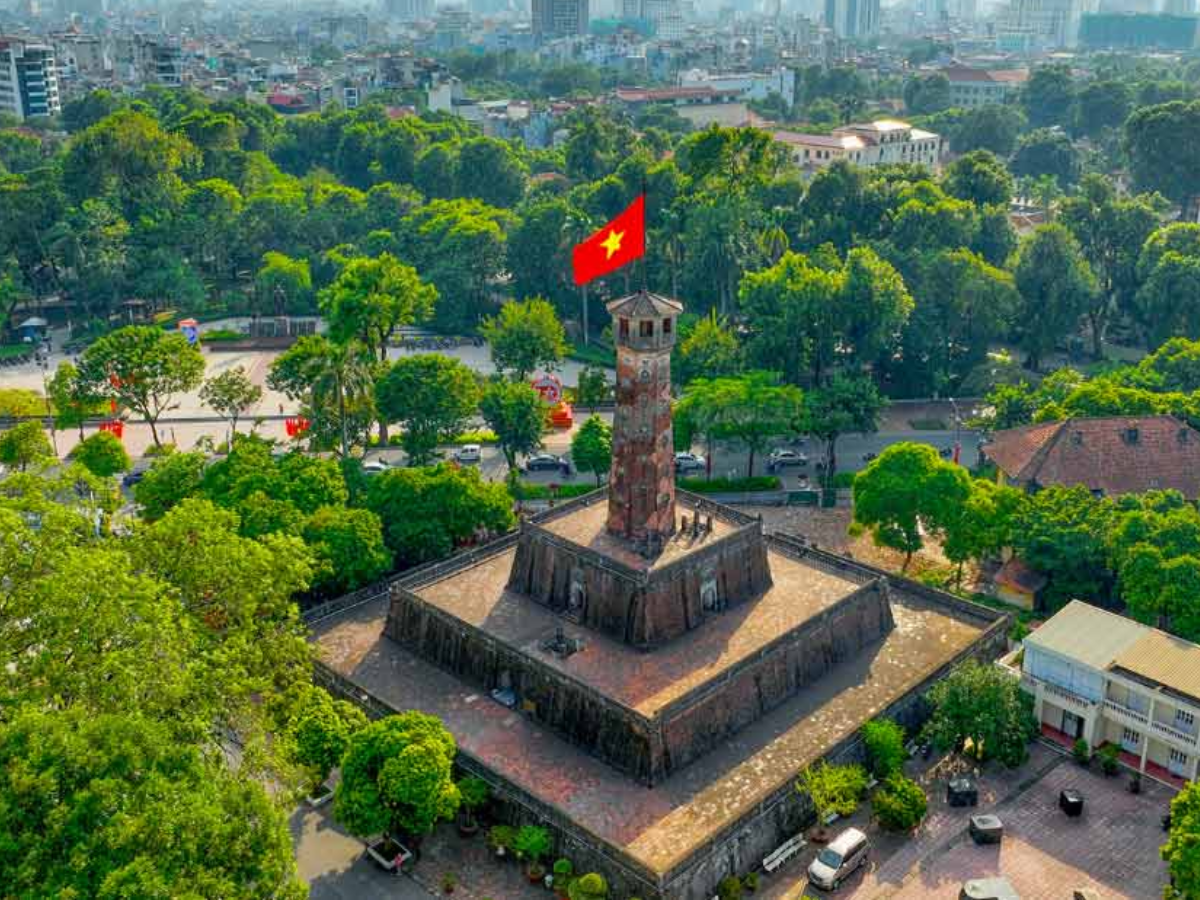
The maze-like Old Quarter showcases the legacy of the ancient guild streets, while French-era villas and civic buildings represent a later chapter of urban planning. Ancient temples sit within walking distance of buzzing markets, lakes anchor entire neighborhoods, and Train Street cuts directly through residential blocks, illustrating the city’s layered character in a single glance.
In the 2026 Travellers’ Choice Best of the Best Awards by TripAdvisor, Hanoi ranked among the Top 10 destinations worldwide, with strong recognition for its culinary and cultural appeal. The city has also been named Asia’s Leading City Destination multiple times at the World Travel Awards, reflecting consistent standing within the region.
2. Top Things to Do in Hanoi
2.1. Sample Hanoi’s street food culture
In Hanoi, eating on the street is part of daily life. Meals are served on low plastic stools, often steps away from traffic, with vendors serving a steady stream of regular customers. For visitors, this is one of the most direct ways to understand the city’s rhythm.
Some dishes define Hanoi’s culinary identity:
Pho: Pho is a traditional Vietnamese noodle soup consisting of a fragrant, slow-cooked broth, flat rice noodles, herbs, and meat-typically beef or chicken. Considered Vietnam's national dish, it is a staple comfort food served in a steaming bowl with toppings like onions, basil, lime, and bean sprouts. It is most commonly eaten in the early morning. The dish has been featured repeatedly in international rankings of the world’s best foods, including lists by global outlets such as CNN, reinforcing its place in global food culture.
Banh cuon: Thin sheets of steamed rice batter rolled with minced pork and mushrooms, finished with crispy shallots. Many small shops prepare them continuously through the morning, making timing part of the experience.
Bun cha: Grilled pork patties and sliced pork belly served with rice noodles and dipping broth. The dish entered international headlines in 2016 when former U.S. President Barack Obama dined at a local bun cha restaurant during an official visit to Hanoi. The meal was simple, informal, and widely photographed - a reflection of how this everyday dish represents the city.
Cha ca: Turmeric-marinated fish sautéed with dill and spring onions, traditionally linked to a historic street “Cha Ca” in the Old Quarter.
Egg coffee: A Hanoi creation dating back to the 1940s, made by whisking egg yolk with condensed milk and layering it over strong coffee. The drink remains closely associated with a handful of legacy cafés in the Old Quarter.
Bia hoi: Fresh draft beer brewed daily and served at modest street corners. By late afternoon, plastic chairs fill quickly as locals gather in small groups, marking the shift from workday to evening.
Street food in Hanoi is structured around repetition and familiarity. Vendors specialize, customers return, and recipes remain largely unchanged. For travelers, participating in that routine - even briefly - offers insight that extends beyond the plate.
2.2. Stroll through the Old Quarter
A walk through the Old Quarter of Hanoi shows how trade shaped the city long before tourism did. The district developed around a network of guild streets, traditionally referred to as the “36 streets,” where each lane specialized in a particular craft — silk, silver, herbal medicine, paper goods, or metalwork. Many workshops have shifted to retail, yet clustering by product remains noticeable if you pay attention to what they sell.
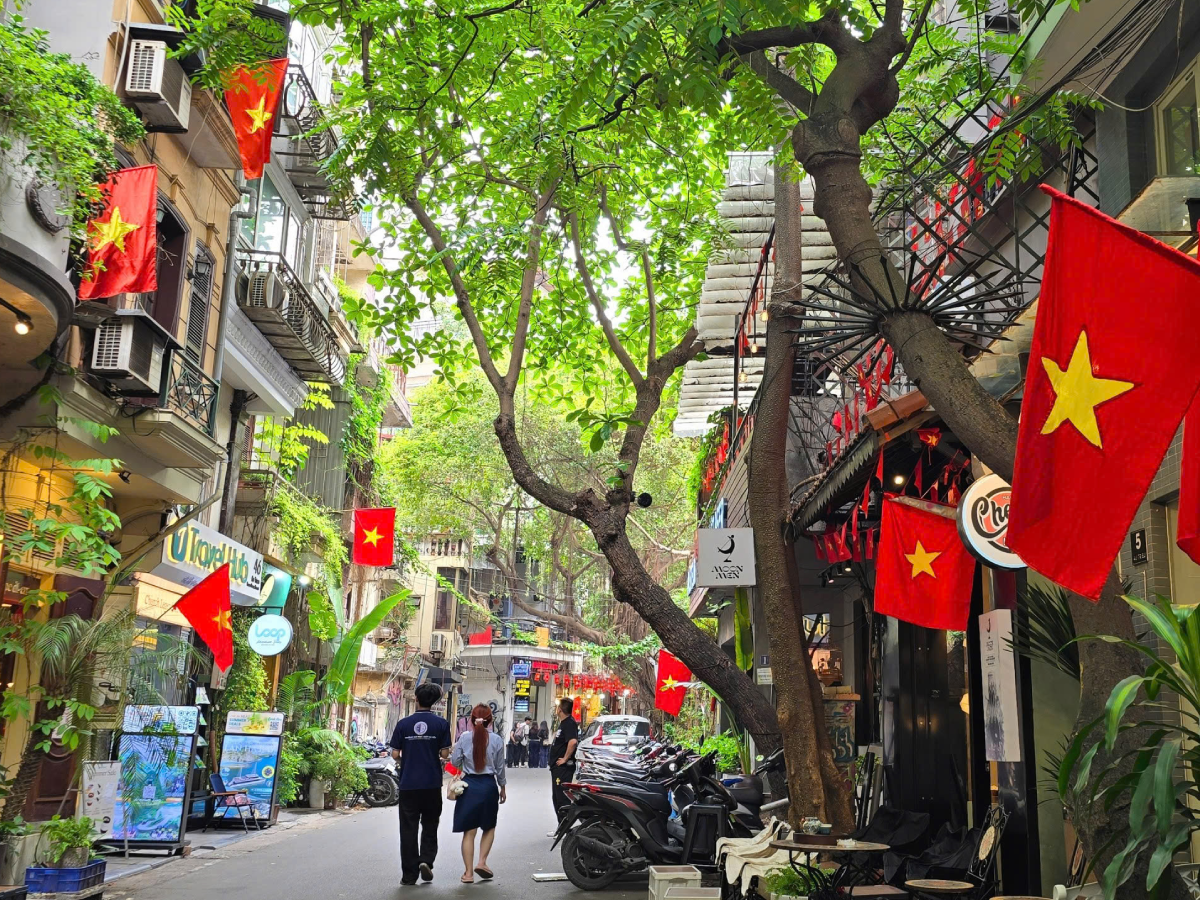
The architecture reflects density rather than symmetry. Narrow tube houses extend deep behind slim façades, built to maximize frontage under historical tax systems. Balconies hang low over the street. Signboards overlap. Electrical wires stretch across intersections in thick bundles. The streets rarely run straight for long; they curve unexpectedly, narrowing before opening into small junctions or hidden courtyards.
Sound is constant here - engines idling, metal shutters sliding open, vendors calling out short exchanges. Pavements rarely serve as pedestrian-only spaces. In the morning, they host breakfast stalls; by midday, merchandise spills outward; in the evening, plastic stools reappear for beer and conversation. Movement feels compressed, yet the flow rarely stops.
Maps are useful, but drifting without a fixed route often proves more rewarding. The process of wandering, pausing, and recalibrating becomes part of understanding Hanoi’s historic core.
2.3. Join the locals at Hoan Kiem Lake
In a city defined by density and movement, Hoan Kiem Lake functions as a pause. Early in the morning, the paved paths fill with residents practicing tai chi, brisk walking, or group aerobics. By late afternoon, families, students, and office workers gather along the water’s edge. The atmosphere shifts throughout the day, yet the lake remains a consistent meeting point.
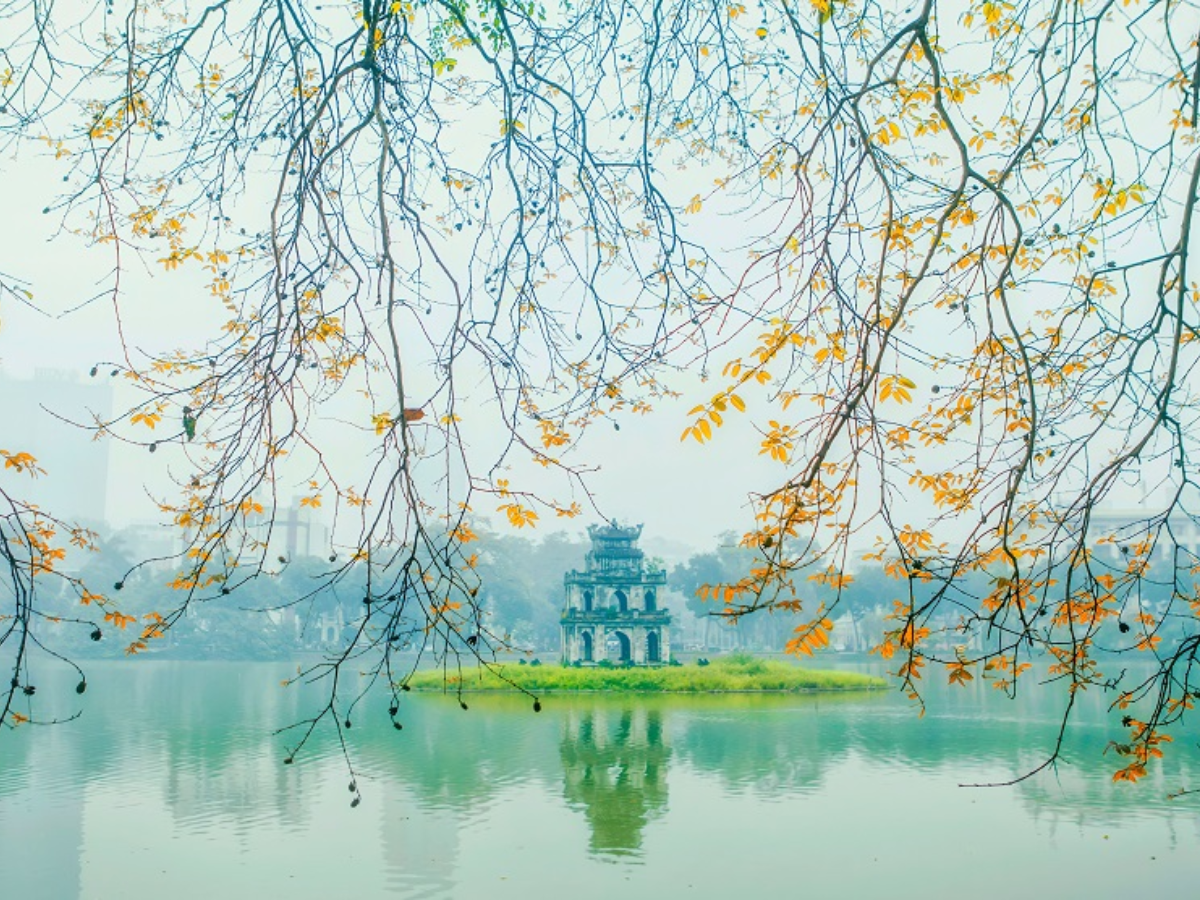
At the center stands Turtle Tower, a small structure rising from an islet, visible from nearly every angle of the promenade. On the northern side, the red wooden bridge leads to Ngoc Son Temple, dedicated to Tran Hung Dao, the greatest military commander of the Tran Dynasty. The temple visit is brief, but the approach across the bridge is part of the experience.
Weekends bring a noticeable change. Surrounding streets close to traffic, turning the area into a pedestrian zone where children ride small scooters, street performers gather crowds, and temporary games appear along the pavement. The shift reveals how flexible public space can be in Hanoi.
A full circuit around the lake takes roughly 30 minutes at a relaxed pace. Sunrise offers cooler air and a view into daily routines; evening introduces softer light and a social atmosphere. The lake does not demand long hours, yet spending time here helps frame the city - a reminder that even in a fast-moving capital, shared public space still matters.
2.4. Visit Hanoi’s historic landmarks
Hanoi’s historical narrative is not confined to a single era. Within a short radius, several landmarks reflect distinct chapters of Vietnam’s intellectual, political and spiritual history.
Temple of Literature
Established in 1070, the Temple of Literature was first built to honor Confucius and later evolved into Vietnam’s earliest national university. For centuries, it trained scholars who would serve in the imperial bureaucracy, shaping governance through education.
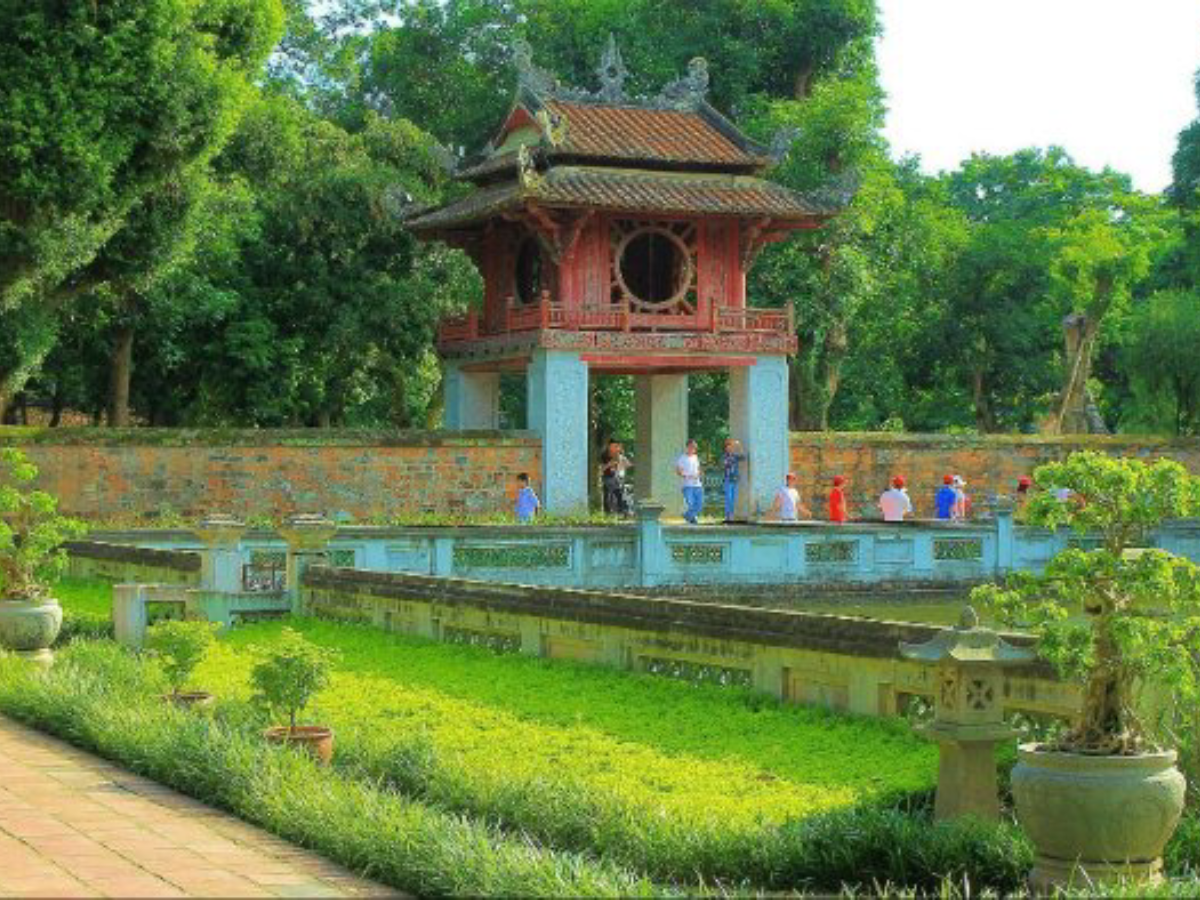
The complex unfolds across five courtyards connected by stone pathways and traditional gates. Movement inward brings a gradual quiet. Mature trees cast shade across tiled roofs, and rectangular ponds soften the space's geometry. The most historically significant feature is the series of stone stelae set on turtle-shaped bases, each engraved with the names of successful doctoral candidates from royal examinations held between the 15th and 18th centuries. These inscriptions turn the site into a documented record of academic merit rather than a mere symbolic monument.
- Opening hours: typically 8:00 am - 5:00 pm daily.
Entrance fee: approximately 70,000 VND per adult.
Plan for 60-90 minutes on site. Visitor numbers increase toward midday, particularly with school groups and domestic tour buses. Arriving shortly after opening generally allows for a calmer atmosphere and clearer movement through the courtyards.
Ho Chi Minh Mausoleum
The Ho Chi Minh Mausoleum stands at the center of Ba Dinh Square, where Vietnam’s Declaration of Independence was proclaimed in 1945. Completed in 1975, the granite structure houses the embalmed body of Ho Chi Minh, the founding leader of modern Vietnam. Its austere design reflects political symbolism rather than decorative intent.
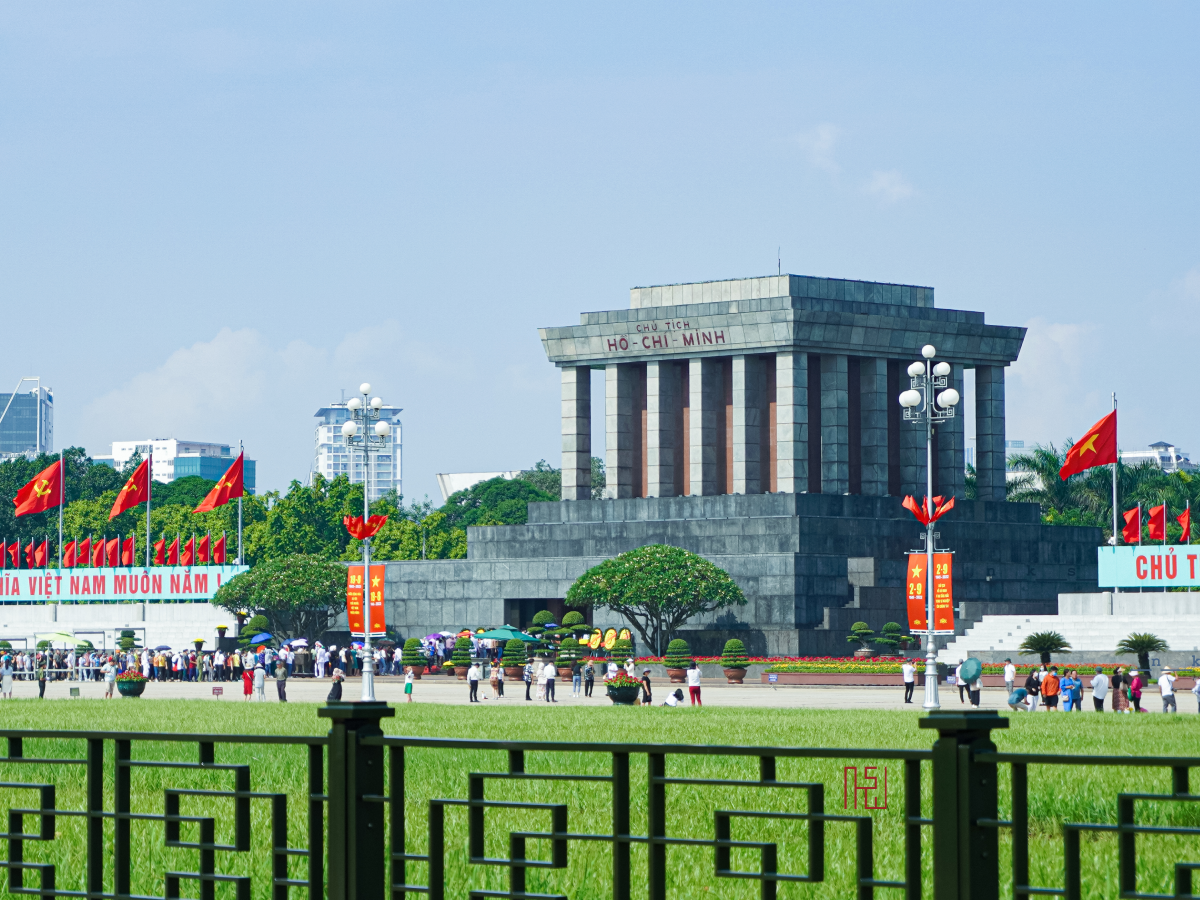
The experience inside is brief and carefully regulated. Visitors move in a slow, continuous line through the interior chamber under strict supervision. Silence is required. Photography is prohibited. Dress standards are enforced, with shoulders and knees expected to be covered. The atmosphere differs sharply from the Old Quarter's energy, emphasizing solemnity and state ceremony.
Opening hours: open five days per week, on Tuesday, Wednesday, Thursday, Saturday, and Sunday mornings. Closed on Mondays and Fridays. The mausoleum remains open on May 19, September 2, and the first day of the New Year, even if these dates fall on a Monday or Friday.
Entrance fee: free of charge.
Plan to arrive early, particularly during peak travel months or national holidays, as queues can form before opening.
One Pillar Pagoda
Within walking distance stands the modest One Pillar Pagoda, originally constructed in the 11th century. The small wooden shrine rises from a single stone pillar above a lotus pond, designed to resemble a lotus blossom emerging from water - a symbol of purity in Buddhist thought.
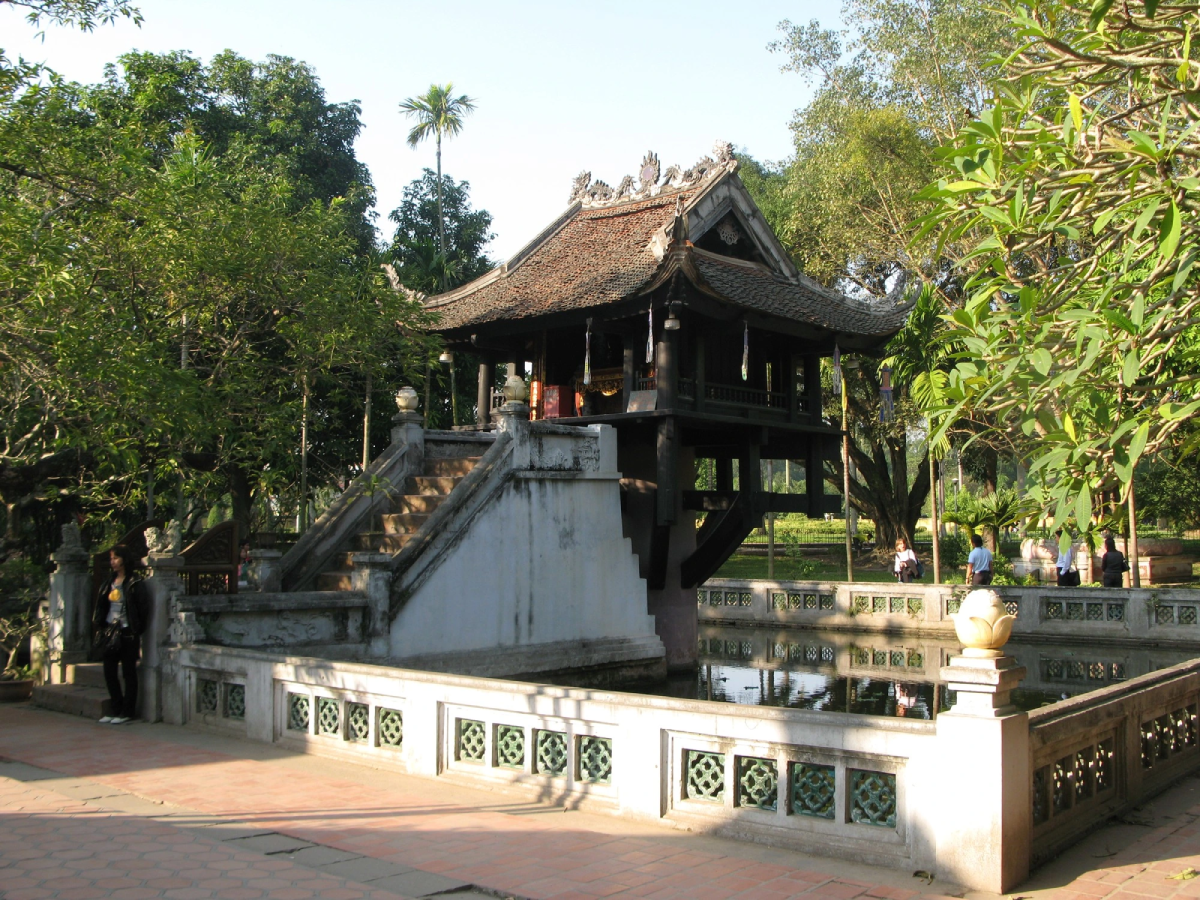
The structure has been rebuilt over time, yet its symbolic design remains intact. Unlike larger pagoda complexes in Vietnam, this site is compact. Visitors typically spend 15-20 minutes here, often combining it with a visit to the mausoleum.
- Opening hours: generally aligned with the mausoleum complex, around 7:00/8:00 am - 5:00 pm.
Entrance fee: free.
Taken together, these landmarks frame Hanoi’s layered authority: scholarship rooted in Confucian tradition, revolutionary leadership in the 20th century, and enduring religious symbolism. Seen in proximity, they provide historical continuity that extends beyond architectural form.
2.5. Experience Hanoi’s urban icons
Certain locations in Hanoi illustrate how infrastructure and daily life intersect in ways that feel unusual to first-time visitors. These sites are not traditional monuments; they remain active parts of the city.
Train Street
Known informally as “Train Street”, this narrow residential corridor runs along an active railway line in the Phung Hung and Tran Phu area of the Old Quarter. Houses stand only a short distance from the rails, and small cafés operate directly beside the line.
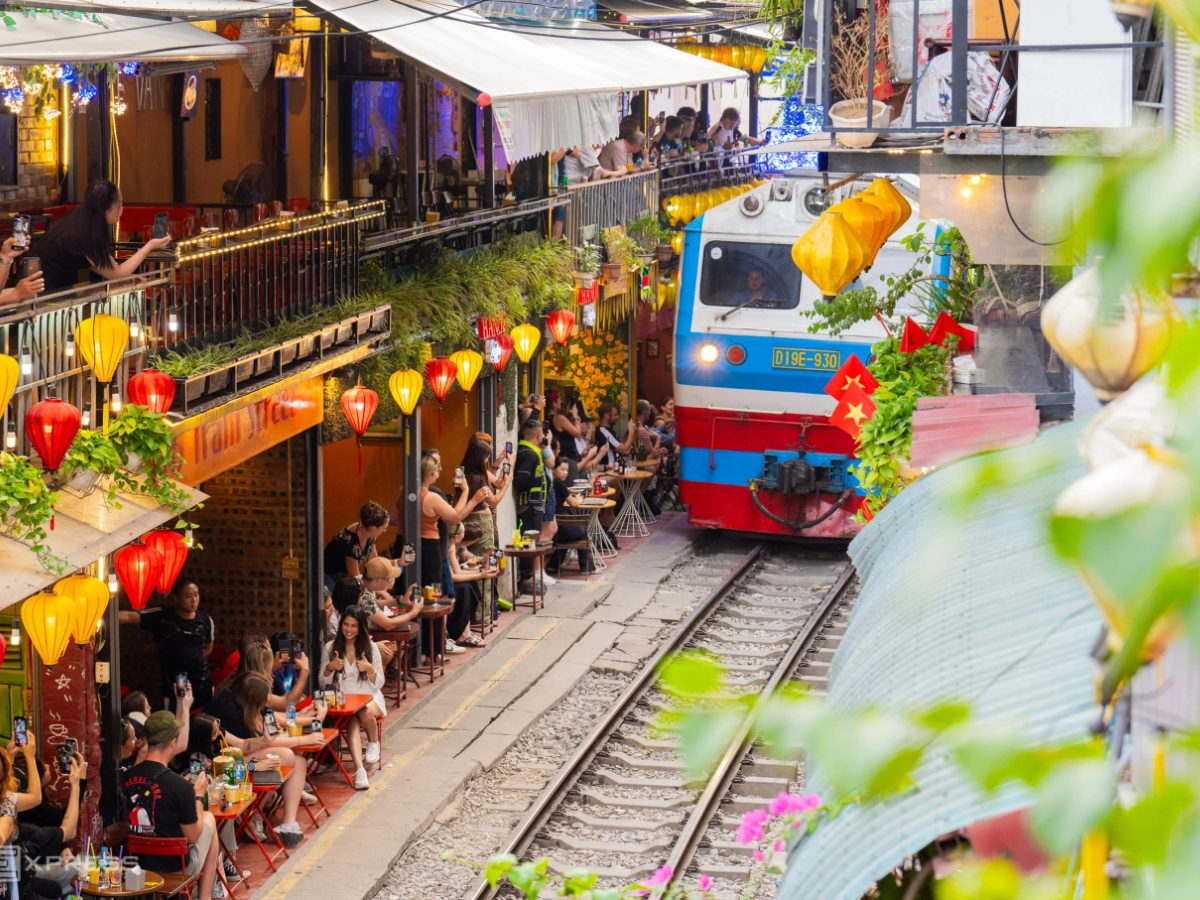
Trains pass several times a day at scheduled intervals. Before arrival, café staff typically clear tables and guide visitors to stand against the walls. The passage itself lasts only a few moments, yet the proximity creates a heightened sense of scale and sound. Afterward, daily life resumes almost immediately.
Access regulations have shifted in recent years due to safety concerns. Entry is sometimes restricted, and enforcement can vary. Visitors should follow local guidance and avoid stepping onto the tracks unnecessarily. Confirming train times in advance through reliable sources is advisable, as schedules may change.
The appeal lies less in spectacle than in observing how residents adapt to spatial constraints in a growing city.
Long Bien Bridge
Spanning the Red River, the Long Bien Bridge was completed in 1903 during the French colonial period and was once one of the longest steel bridges in Asia. Originally named the Paul Doumer Bridge, it served as a strategic transport link connecting Hanoi to the port city of Hai Phong.
During the wars of the 20th century, the bridge sustained repeated bombing and partial destruction. Sections were repaired and reinforced over time, resulting in visible differences in structure across its length. These layered repairs contribute to its industrial character today.
The bridge continues to carry trains, motorbikes, bicycles, and pedestrians. A narrow walkway allows visitors to cross on foot, offering open views over the Red River and agricultural land along its banks. Early morning provides cooler temperatures and softer light; midday heat can be intense due to the exposed metal framework.
Unlike newer river crossings built for efficiency, Long Bien Bridge retains visible marks of age and repair. Its significance lies not only in colonial engineering but in endurance - a structure that has remained operational through shifting political eras and urban transformation.
2.6. Explore traditional villages near Hanoi
Beyond the urban core, several traditional villages around Hanoi offer a different perspective on life in northern Vietnam. These are not museum reconstructions but working communities where craft and architecture remain part of daily routine.
Bat Trang Ceramic Village
Located about 13-15 km southeast of central Hanoi, Bat Trang Ceramic Village has been associated with pottery production for more than seven centuries. Its proximity to the Red River historically supported the transport and trade of clay.
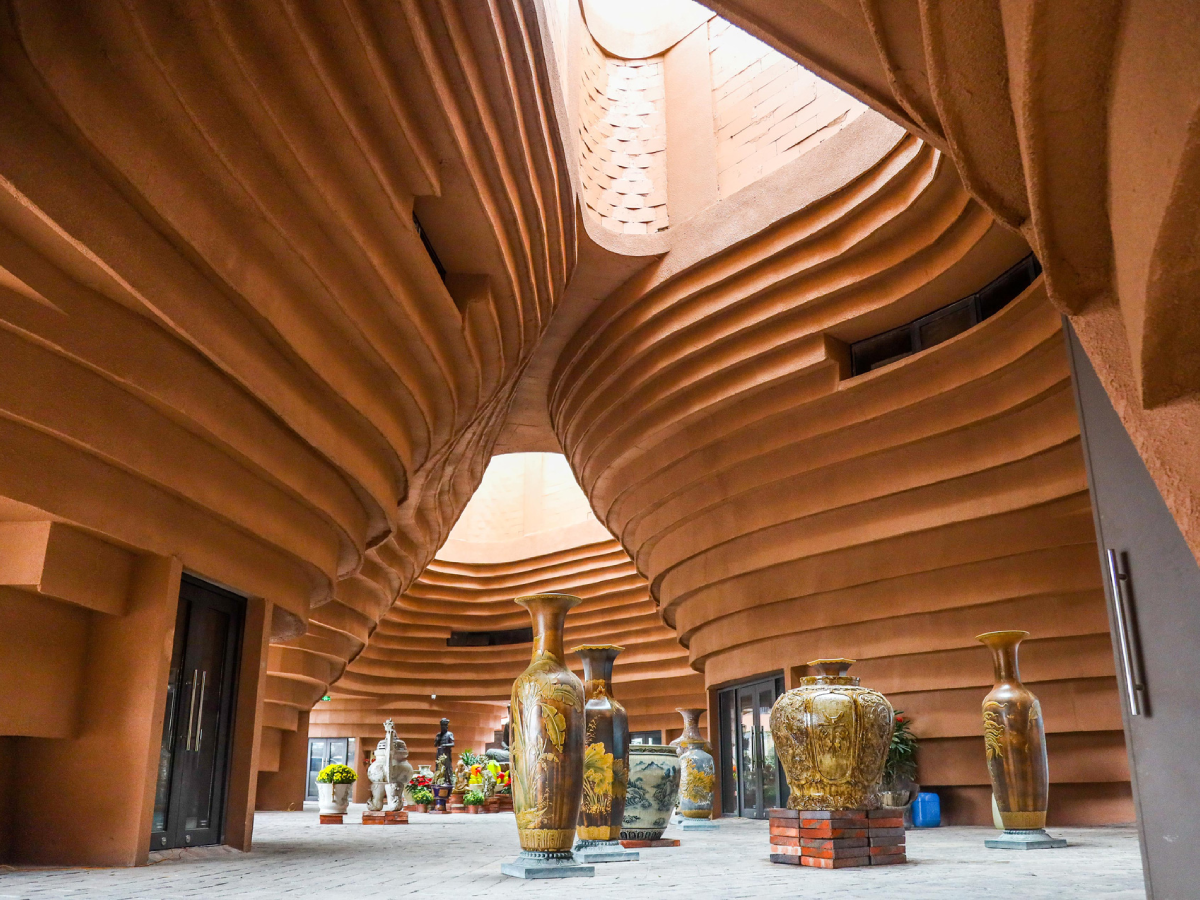
Today, the village continues to produce ceramics ranging from household ware to decorative pieces for export. Workshops operate behind street-facing showrooms, and some allow visitors to observe shaping, glazing, and kiln preparation. Short hands-on pottery sessions are available in designated studios, typically lasting 30–60 minutes.
The village center includes a traditional communal house and a local market selling finished ceramic goods. Prices vary widely depending on quality and craftsmanship. Weekends attract domestic visitors, which can increase crowd density.
Travel time from central Hanoi averages 30-40 minutes by car or motorbike, depending on traffic.
Duong Lam Ancient Village
Approximately 45-50 km west of Hanoi, Duong Lam Ancient Village is known for its preserved laterite brick houses and narrow alleyways. Unlike craft villages focused on production, Duong Lam’s value lies in architecture and rural layout.
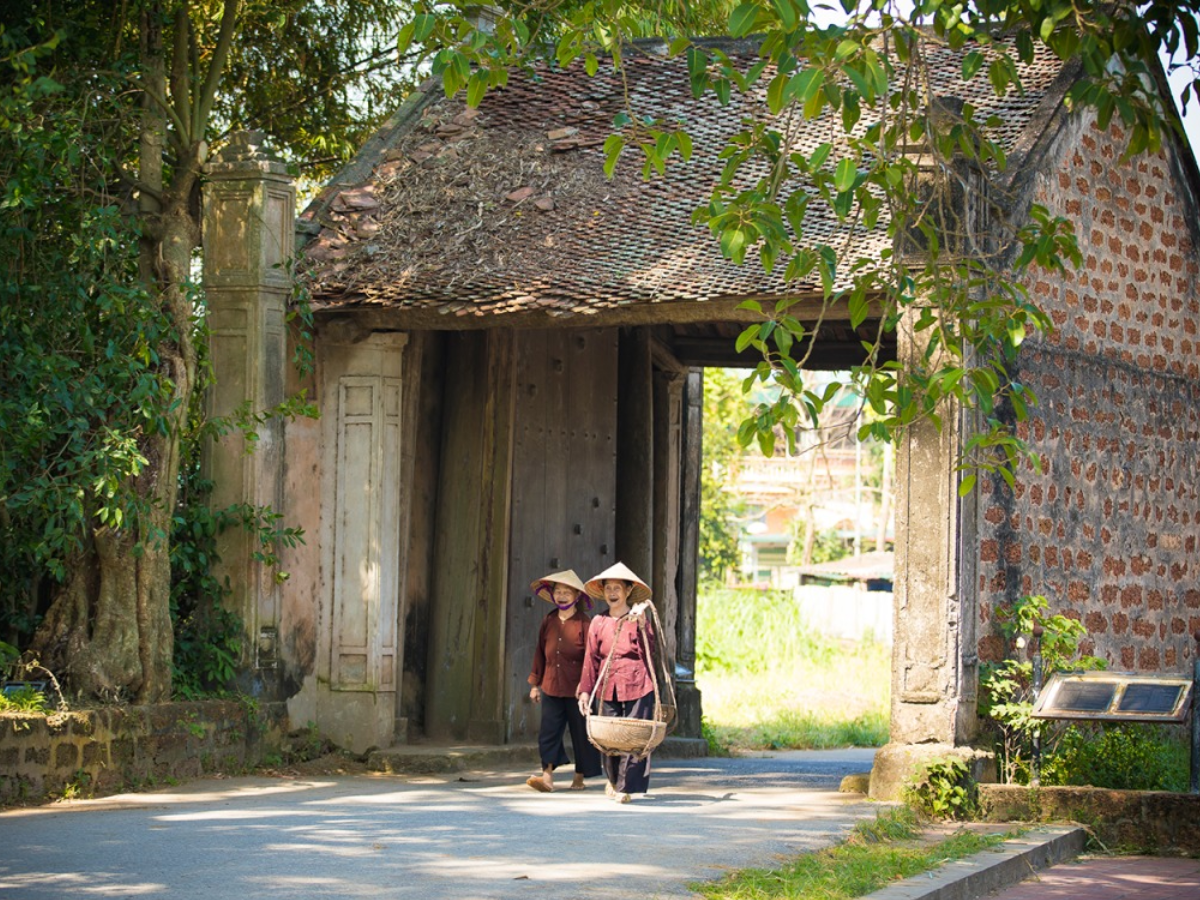
Many homes date back several generations and are constructed from locally sourced laterite stone, which gives the village its distinctive earthy tone. The communal house and village gate remain active elements of local life rather than isolated heritage displays.
Visitors typically spend two to three hours walking through the lanes, entering selected historic homes and small family-run museums. The pace is slower than in Hanoi, though the village remains inhabited and agricultural activity continues around its perimeter.
Travel time from Hanoi ranges from 1.5 to 2 hours by car. Independent access is possible, though guided visits can provide clearer historical interpretation.
Together, these villages offer contrast rather than spectacle. Bat Trang illustrates continuity of craft within reach of the capital; Duong Lam preserves a rural architectural landscape that predates modern expansion. Both provide context for understanding northern Vietnam beyond the city’s immediate density.
2.7. Discover northern cultural performances
Hanoi does not present culture only through architecture or street life. After dark, several staged productions reinterpret northern traditions in very different ways, some rooted in centuries-old folk practice, others shaped by contemporary theatre design.
Water Puppet Shows
Water puppetry originated in the flooded rice fields of the Red River Delta and has been performed for centuries. In Hanoi, the most accessible venue is the Thang Long Water Puppet Theatre, located near Hoan Kiem Lake.
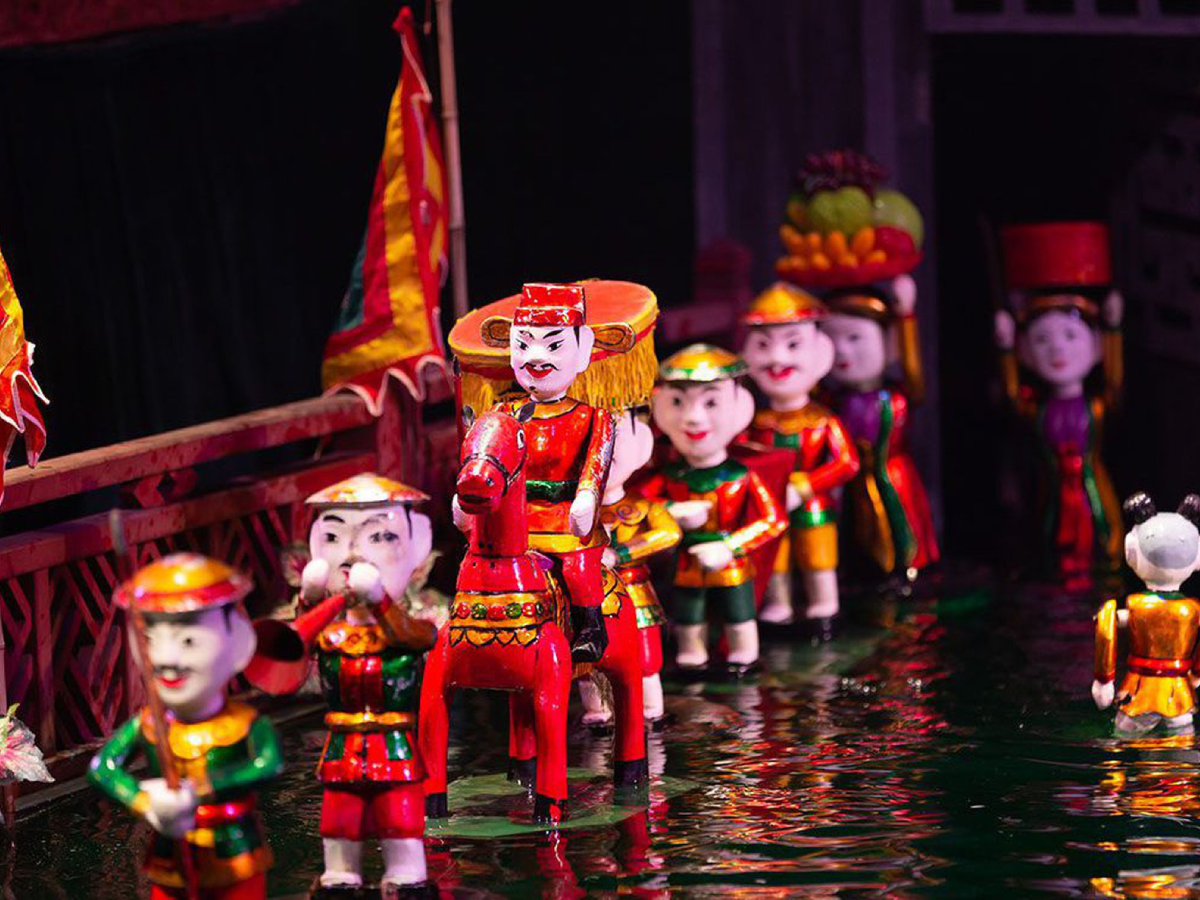
Performances typically last 45-50 minutes and feature wooden puppets controlled from behind a waist-deep water stage. Scenes depict rural life, folk legends, and historical tales, accompanied by live traditional Vietnamese music and narration. English synopsis sheets are usually provided.
Ticket prices generally range from 100,000 VND to 200,000 VND, depending on seating category. Evening shows often sell out, especially during peak travel months, so advance booking is advisable.
The format is compact and accessible, making it suitable even for visitors with limited time in the city.
The GOM Show
The GOM Show presents Vietnamese heritage through contemporary choreography and staged visual storytelling. Unlike water puppetry, it uses modern lighting design, stylized movement, and symbolic props to interpret themes drawn from craft villages and rural culture.
The performance runs approximately 60-75 minutes. Seating is theater-style, and narration is limited, allowing the visual language to carry most of the storytelling.
Ticket prices vary by seat category, ranging from 700,000 VND to 1,200,000 VND. Schedules may not run daily, so checking performance dates in advance is recommended.
This production appeals to travelers interested in a modern reinterpretation of traditional motifs.
The Quintessence of Tonkin
Located outside central Hanoi near Sai Son, The Quintessence of Tonkin is staged on a large outdoor water-based set against a natural mountain backdrop.
The show combines live performers, large-scale lighting effects, and traditional music to depict themes such as village life, Buddhism, and scholarly tradition in the northern plains. The stage spans a wide water surface, with hundreds of performers participating in certain sequences.
Duration is approximately 75 minutes. Ticket prices generally range from 800,000 VND to 1,200,000 VND, depending on seating tier. Transport is required, as the venue lies around 25 km from central Hanoi.
Weather conditions can affect outdoor staging, particularly during heavy rain.
3. The best time to visit Hanoi
Hanoi rewards walking, street dining, and time outdoors. Weather, therefore, shapes the experience more than many first-time visitors expect.
Spring (February-April): 18-25°C with moderate humidity. Occasional light drizzle softens the sky but rarely disrupts plans. This is one of the most comfortable windows for full-day exploration. Lunar New Year often falls in this period; expect temporary shop closures during the holiday week, followed by festive street activity.
Summer (May-August): 32-38°C with high humidity. Midday heat can be draining in traffic-heavy areas. Short, intense rain showers occur during monsoon weeks. Sightseeing works best with early departures and indoor pauses in the afternoon.
Autumn (September-November): 22-30°C with lower rainfall and clearer visibility. Late afternoon light enhances tree-lined boulevards and colonial façades. International visitor numbers typically rise during these months due to stable conditions.
Winter (December-January): 10-20°C depending on cold fronts. Evenings can feel chilly indoors since most buildings lack central heating. Skies may turn grey during certain weeks, though walking remains comfortable with proper layers.
For many visitors, March–April and October–November provide the most balanced mix of temperature, visibility, and overall comfort, though each season shapes a distinct atmosphere.
4. How to get to Hanoi
Hanoi serves as the primary transport hub of northern Vietnam, linking international routes with rail lines and expressways that span the region. Reaching the city is generally uncomplicated; navigating the final stretch into its dense central districts requires more attention to timing and traffic.
By air
Nearly all long-haul and regional flights land at Noi Bai International Airport, located roughly 27 km north of the Old Quarter. The drive into central Hanoi usually takes between 35 and 50 minutes, depending on traffic flow and time of day. Late afternoon congestion near the city’s ring roads can extend that journey.
Transport options from the airport include:
- Taxi: Metered taxis queue outside the arrivals hall. A typical fare to the Old Quarter ranges between 200,000 and 400,000 VND. Reputable operators such as Mai Linh and G7 are commonly used.
Ride-hailing apps (Grab, Be): Often slightly cheaper, with clearly designated pick-up points at the terminal. Availability remains reliable even late at night.
Express Bus 86: Connects the airport with major stops in the city center, including areas near Hoan Kiem Lake. Tickets cost around 45,000 VND. Travel time is usually about one hour.
For early-morning departures or late-night arrivals, arranging transport in advance can reduce uncertainty.
By train
Long-distance rail routes link Hanoi with central and southern Vietnam. Overnight sleeper services from Ho Chi Minh City and Da Nang remain popular among domestic travelers.
Trains arrive at Hanoi Railway Station, located within walking distance of several central districts. The journey from Ho Chi Minh City takes approximately 30-35 hours. From Da Nang, the trip lasts around 16 hours. Sleeper cabins provide varying levels of comfort; booking ahead is advisable during peak holiday periods.
Rail travel appeals to those who prefer gradual transitions across the country rather than short flights.
By road
Hanoi connects efficiently to surrounding provinces through an expanding expressway network. The Hanoi-Hai Phong Expressway and the Noi Bai-Lao Cai Expressway have reduced travel times to key northern destinations.
Private transfers and limousine vans frequently operate routes linking Hanoi with Ha Long Bay (around 2.5-3 hours), Ninh Binh (approximately 2 hours) and Sapa (about 5-6 hours via expressway). Hotel pick-up services in the Old Quarter are common.
Traffic within the city itself can slow movement during rush hours, particularly between 7:00 and 9:00 am and 4:30 and 6:30 pm. Allowing extra time during these windows prevents unnecessary stress.
Hanoi’s transport infrastructure is practical and well-developed. Most visitors reach the Old Quarter within an hour of landing, transitioning quickly from airport terminals to narrow streets filled with motorbikes and street vendors.
5. Conclusion
Hanoi is a capital shaped by continuity - a city where imperial heritage, colonial traces and present-day street life coexist within a compact, walkable core. Its appeal lies in the details: early-morning activity around Hoan Kiem Lake, the layered texture of the Old Quarter, temple courtyards that preserve scholarly tradition, and evenings that unfold over shared meals.
Approaching Hanoi with time and curiosity allows the city to unfold at its own pace. A thoughtfully planned itinerary makes space for both its major landmarks and its everyday rhythm.
If you are planning a journey to Hanoi, Go-indochina is ready to accompany you with curated routes, local insight, and experiences designed to reveal the city beyond its surface. With careful pacing and informed guidance, Hanoi becomes more than a stop on the map - it becomes a destination remembered for its depth and character.