
The top destinations of Vietnam for 2026 range from heritage cities and majestic mountains to river life and tropical islands. This guide shows where to go, what to experience in each place, and how to plan your journey across the country.
1. Hanoi
As the capital of Vietnam, it has shaped political life for more than a thousand years, yet its identity unfolds through streets, markets, and lakes as much as through state institutions. The city feels accumulated over time, layered rather than planned.
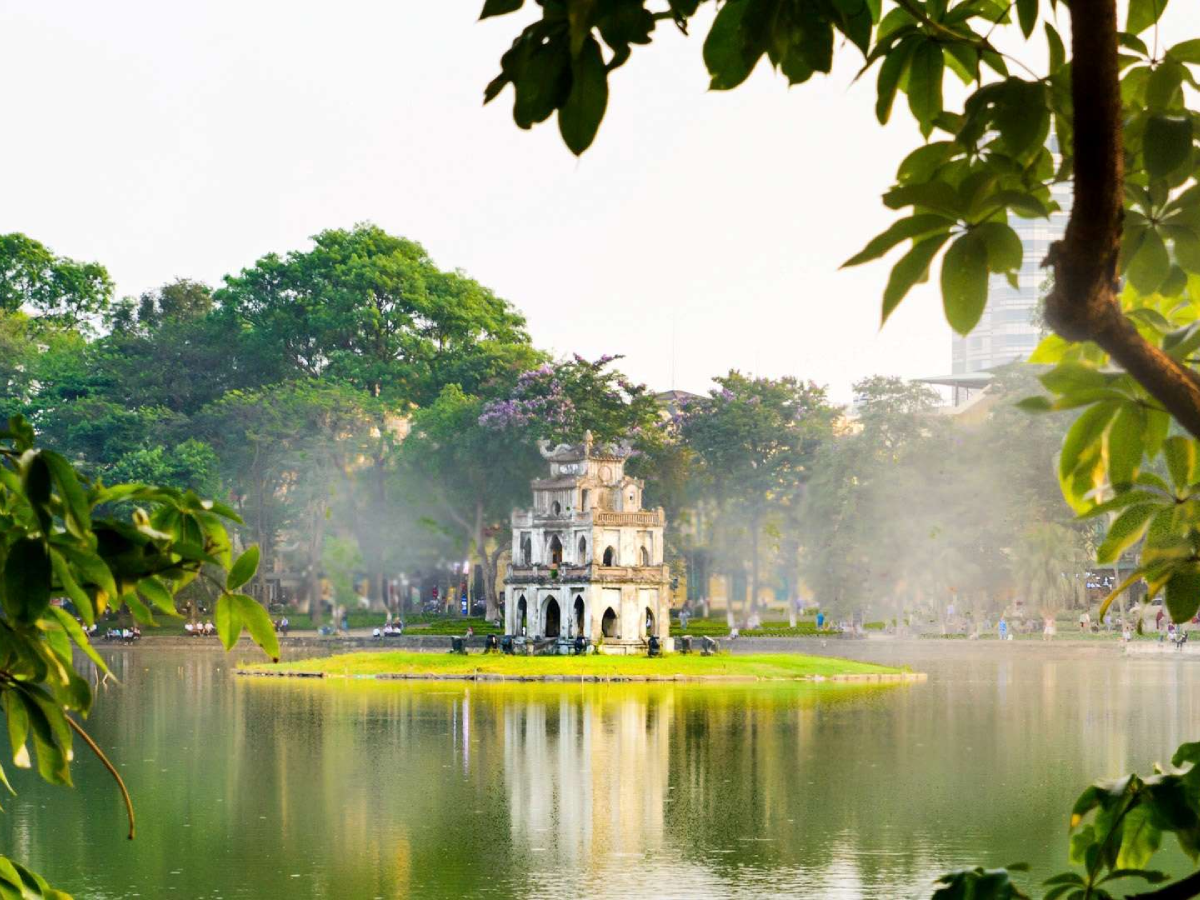
At the center, Hoan Kiem Lake anchors daily life. Early mornings bring walkers beneath old trees, while the red bridge leading to Ngoc Son Temple cuts a sharp line across the water. A short distance away, the Old Quarter compresses centuries of trade into narrow shop houses and dense commercial lanes that remain fully active.
National history runs through the capital’s civic spaces. The Ho Chi Minh Museum stands within a broader political complex that traces the country’s twentieth-century transformation, reinforcing Hanoi’s role at the center of public life.
Hanoi’s identity is equally tangible in its cuisine. A bowl of pho, clear and restrained, or a serving of turmeric-scented cha ca prepared with dill and herbs, reflects a northern culinary tradition grounded in precision rather than excess. Meals are woven into daily routine, served in spaces that feel lived-in rather than curated.
Hanoi endures through its rich continuity. This city is steeped in history and culture, yet remains attuned to everyday rhythm, making it the country’s most recognizable and enduring urban symbol.
2. Halong Bay
Limestone towers rise abruptly from still water, their vertical silhouettes shifting with the tide and light. This is Ha Long Bay, a UNESCO World Heritage Site shaped by millions of years of geological change and widely regarded as one of Vietnam’s defining natural wonders.
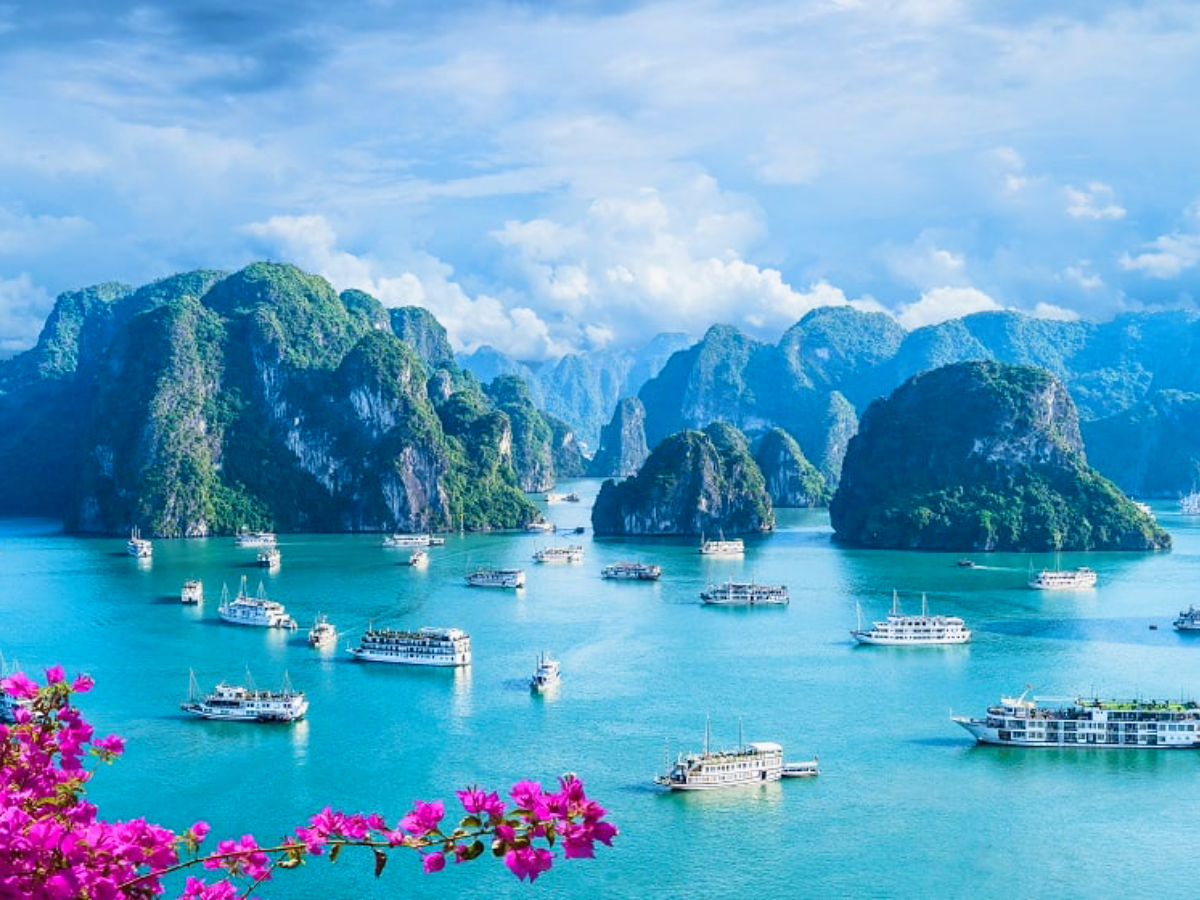
The bay is formed by thousands of limestone karst formations arranged across a sheltered seascape rather than an open horizon. Channels of clear, often turquoise water wind between the rock pillars, creating a marine environment that feels enclosed, layered, and constantly reframed.
To explore Halong Bay, travelers can take a day or overnight cruise, accompanied by activities onshore and on the water. A cruise moves through established routes between island clusters, passing small floating villages that continue to operate within protected waters. At a lower vantage point, kayaking brings the cliffs into close proximity, revealing texture, scale, and narrow lagoons hidden from larger vessels. Guided cave discovery inside wonderful formations such as Sung Sot Cave, Thien Cung Cave, and Dau Go Cave exposes cavernous interiors shaped by erosion and tidal movement.
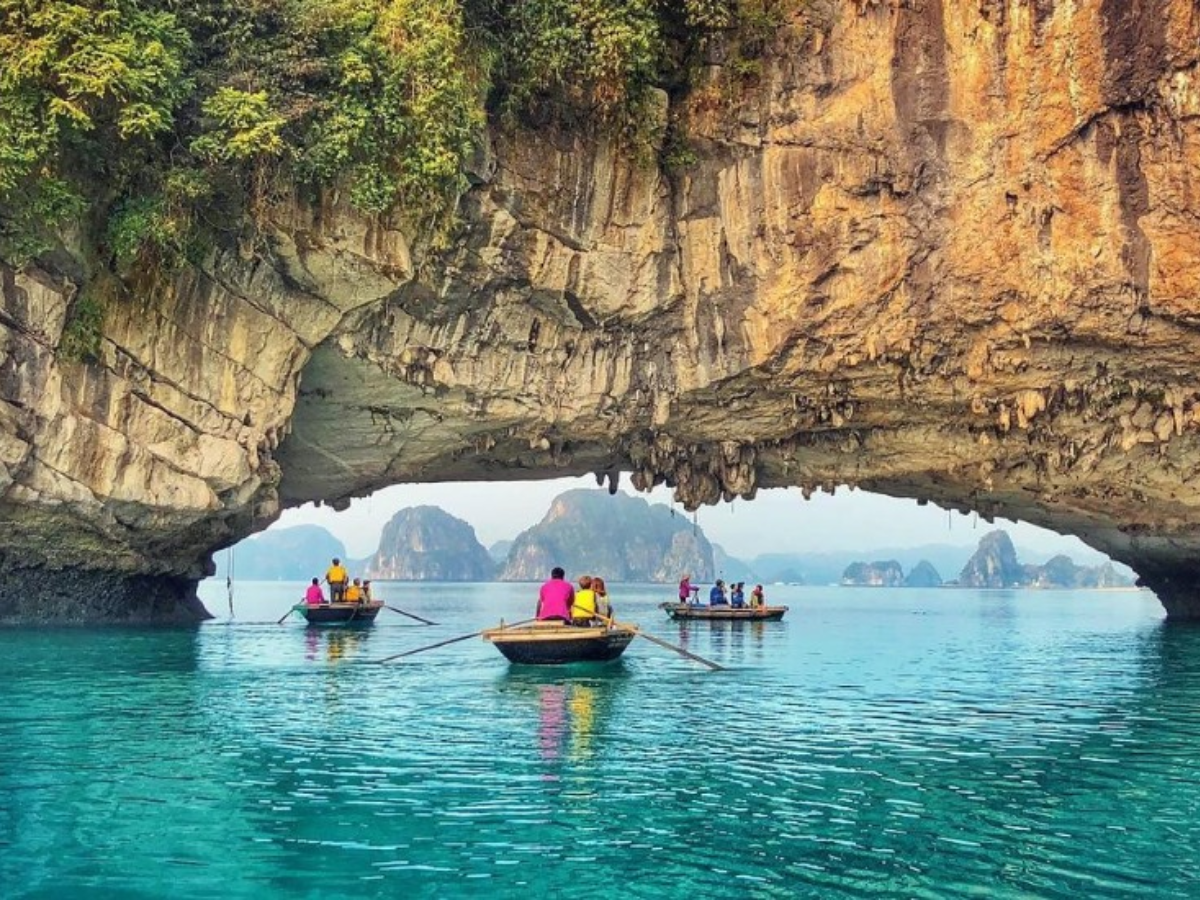
Ha Long Bay's enduring appeal lies in the captivating interplay between stone and sea. The changing light, numerous islands, and the tranquil rhythm of navigation create a mythical and spectacular landscape. Its breathtaking scenery has made it one of Vietnam’s most iconic coastal images.
3. Sapa
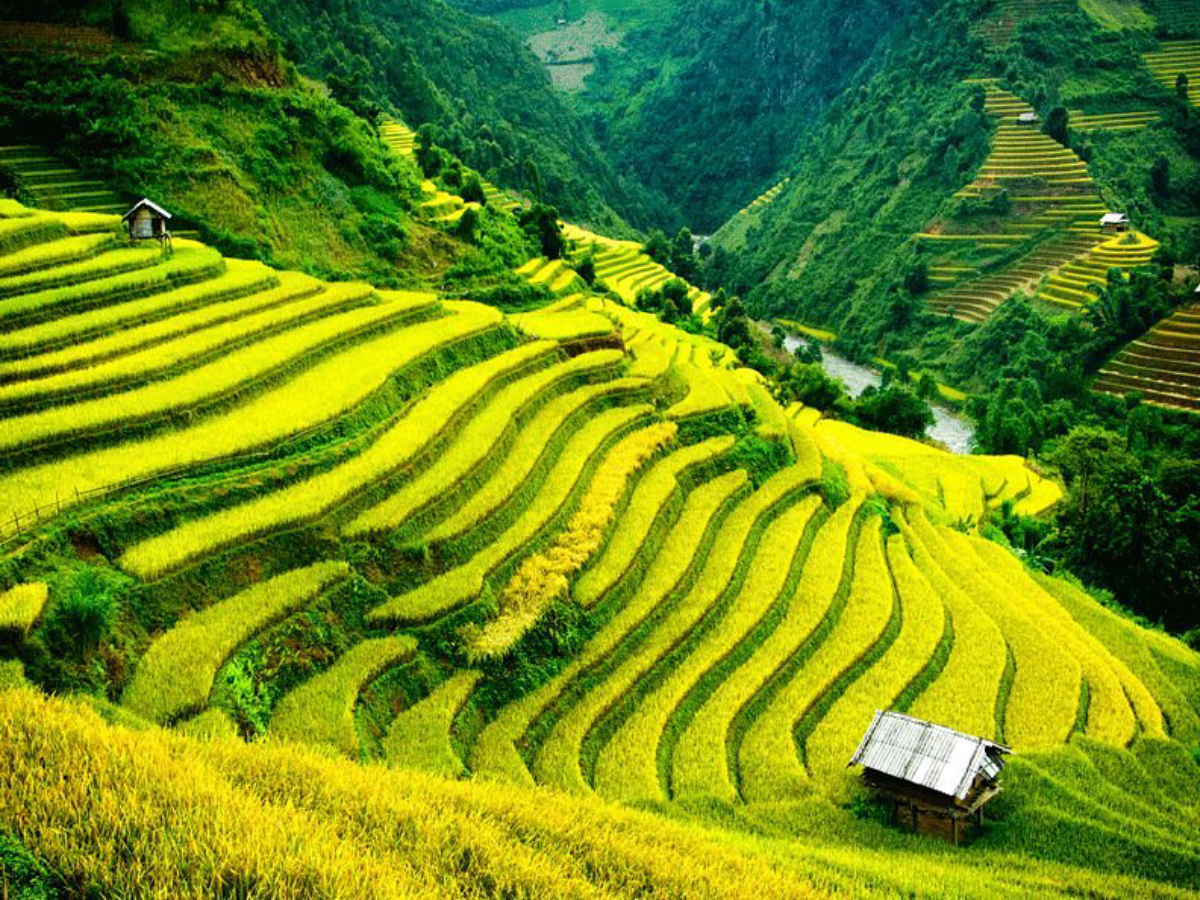
Set high in the Northern Mountains, Sapa exemplifies Vietnam’s upland landscape. Layers of majestic mountains surround deep valleys where cultivation has carved steep terrain into sweeping terraces of rice paddies, some of the most stunning scenery in the country.
The beauty of Sa Pa's seasons shines from May to October, when the rice terraces are at their most magnificent. From May to July, the fields are filled with new rice seedlings, creating a stunning "stairway to heaven" effect. Then, from late August to early October, the terraced fields turn a vibrant yellow, with the harvest usually in September. This peak time is perfect for photography, hiking, and cycling.
Across the valleys lie dispersed ethnic villages, home to Hmong, Dao, and Giay communities, often referred to as highland local tribes. Textile traditions, hillside markets, and footpaths linking settlements reflect ways of life adapted to the elevation and remoteness of the region.
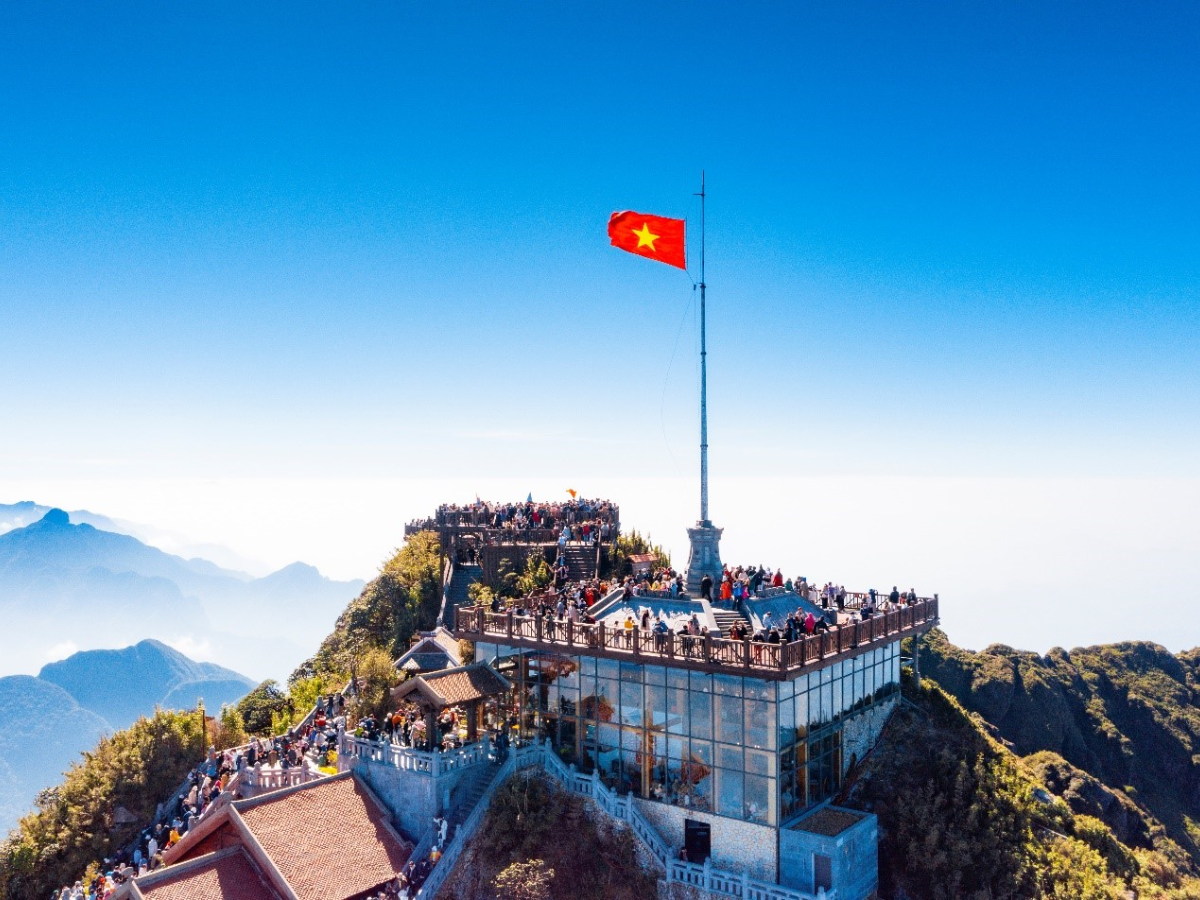
Above it all rises Fansipan, the highest peak in Indochina. Previously, it took two days of hard trekking to reach the summit. Now you can ascend to the "Roof of Indochina" with the Sun World Fansipan cable car. This thrilling ride allows you to soar high above the rice terraces and rocky cliffs below. Once at the top, you will be rewarded with breathtaking views of cloud-covered peaks that stretch endlessly to the horizon.
4. Hue
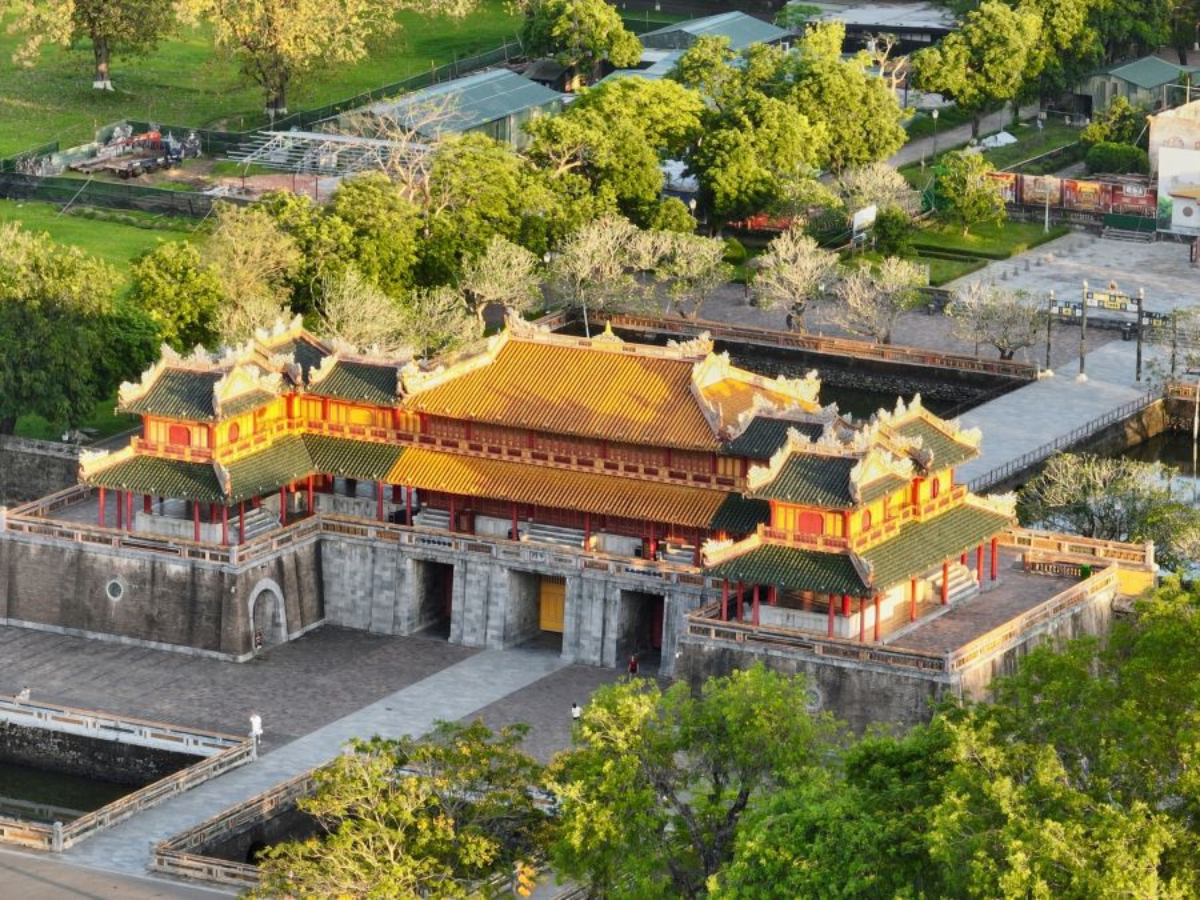
Hue, recognized as a UNESCO World Heritage Site, preserves the layout of a former imperial capital, where palaces, tomb complexes, and pagodas are seamlessly integrated into the surrounding landscape.
At the center stands the Hue Imperial City, a walled citadel aligned along formal axes that once organized political and ceremonial life. Beyond the fortified core, the royal tombs extend into wooded hills along the Perfume River, each reflecting distinct aesthetic choices - from the symmetry of Tomb of Minh Mang to the ornate detailing of Tomb of Khai Dinh. Overlooking the river, Thien Mu Pagoda remains one of the city’s most recognizable landmarks.
Hue is famous for its diverse culinary culture, which combines refined royal cuisine with flavorful street food. Some must-try specialties include Bún Bò Huế (spicy beef noodle soup), Cơm Hến (clam rice), and delicate rice cakes such as Bánh Bèo, Bánh Nậm, and Bánh Ram Ít. Other highlights are Nem Lụi (lemongrass pork skewers) and refreshing chè (sweet soup).
Hue has different vibes from Vietnam’s larger cities. Its scale, river setting, and well-preserved architecture create an atmosphere where history is visually present rather than only in museums. This makes Hue one of the country’s most distinctive cultural destinations.
5. Hoian
Hoi An developed along the banks of the Thu Bon River as one of Southeast Asia’s historic trading ports. Designated as a UNESCO World Heritage Site, the ancient town preserves wooden merchant houses, tiled-roof assembly halls, and narrow streets that remain part of daily urban life rather than a preserved enclave.
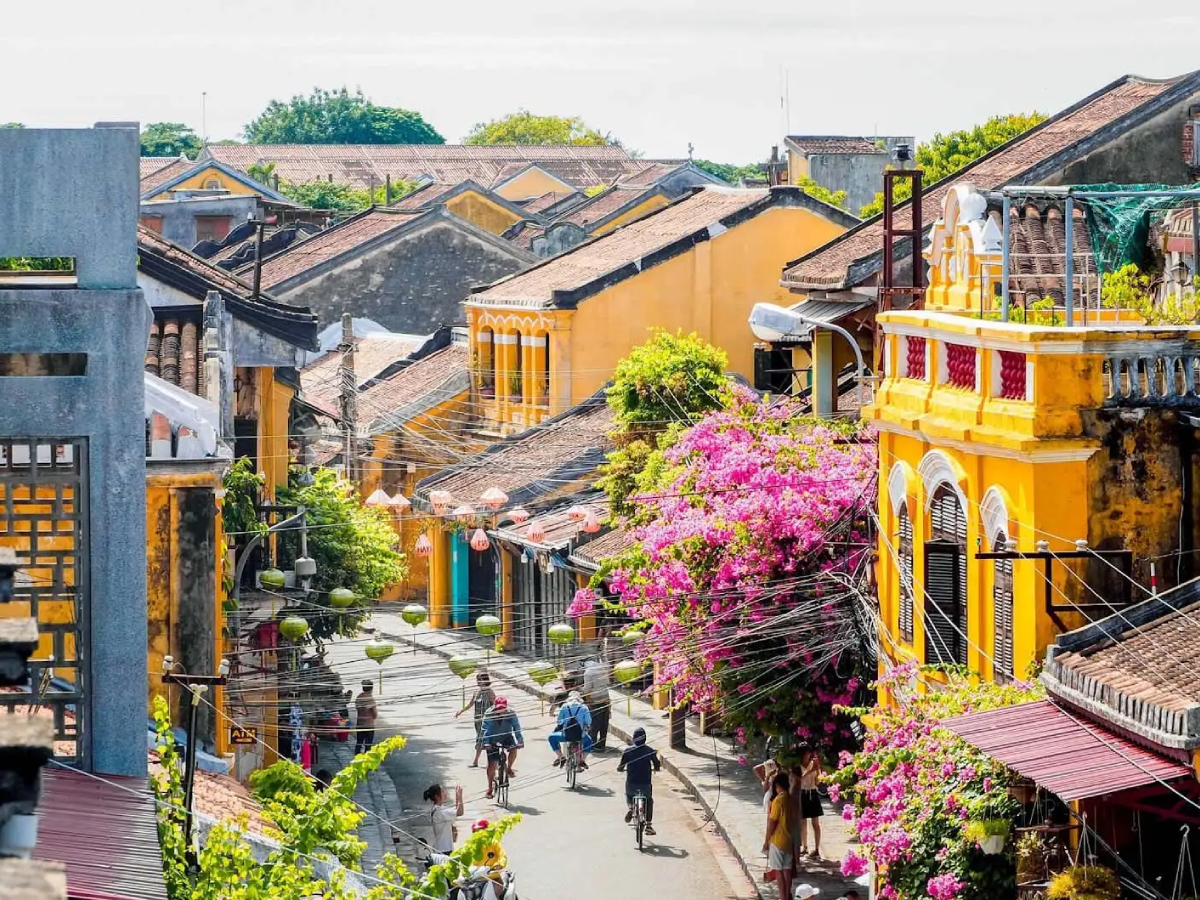
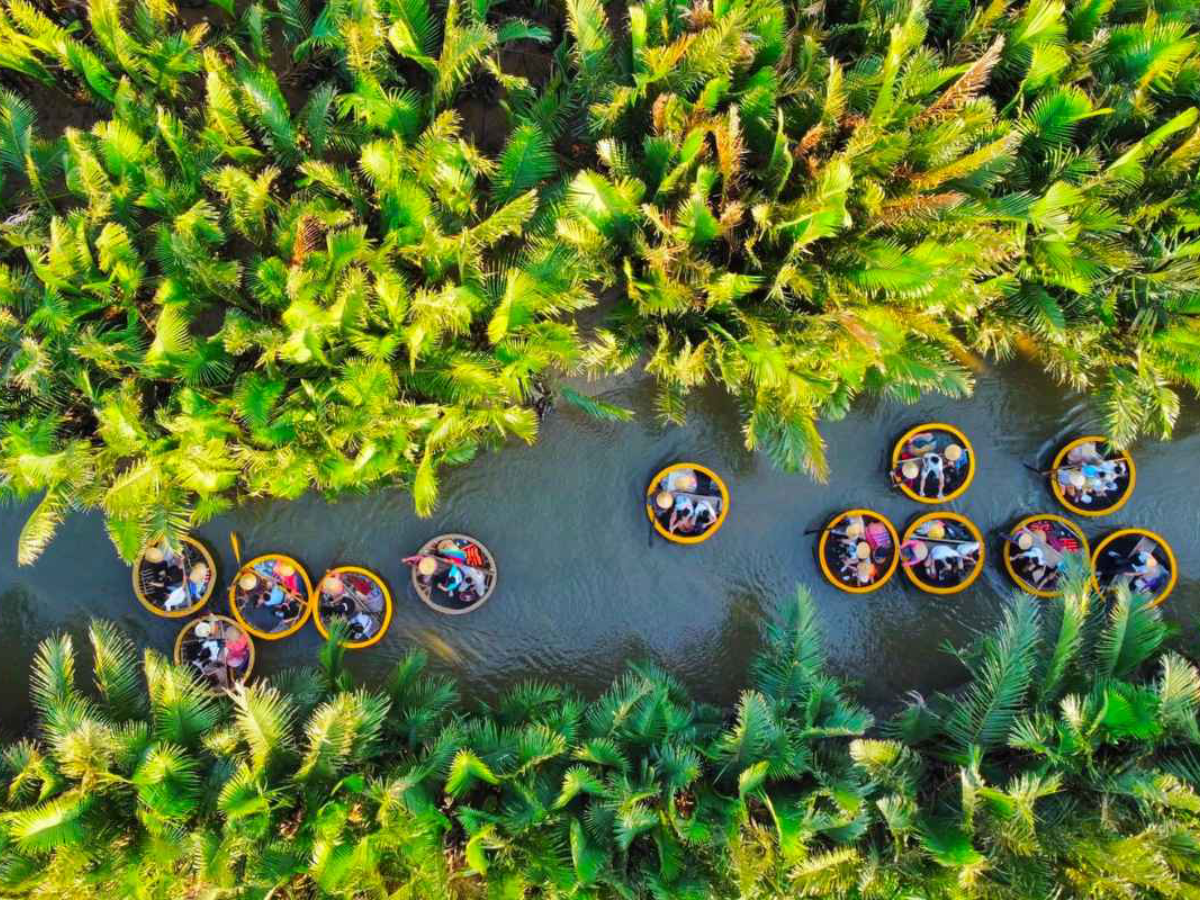
Hoian offers a variety of experiences. You wander through the small streets, savor local dishes, and take a bicycle ride to nearby agricultural and artisan villages, such as Tra Que herb garden village, Kim Bong carpentry village, and Thanh Ha pottery village. You can also kayak in Cam Thanh Village, which is home to a vast coconut forest.
The coastal setting expands the destination beyond the historic streets. An Bang Beach, Binh Minh Beach, and the wider shoreline toward My Khe Beach provide open stretches of sand within a short distance of the town center. Inland, My Son Sanctuary, associated with the Cham civilisation, introduces an earlier architectural layer, while Ba Na Hills represents a more contemporary tourism development in the surrounding region.
Hoi An’s appeal lies in the coherence of its setting. River trade history, village agriculture, and coastal access intersect within a compact geographic radius, making it one of Vietnam’s most accessible and visually distinctive heritage destinations.
6. Sai Gon
Sai Gon represents the most expansive expression of modern Vietnam. As the country’s largest city and primary economic center, it functions as the commercial engine of the south, where finance, industry, and cultural production intersect within a dense metropolitan environment.
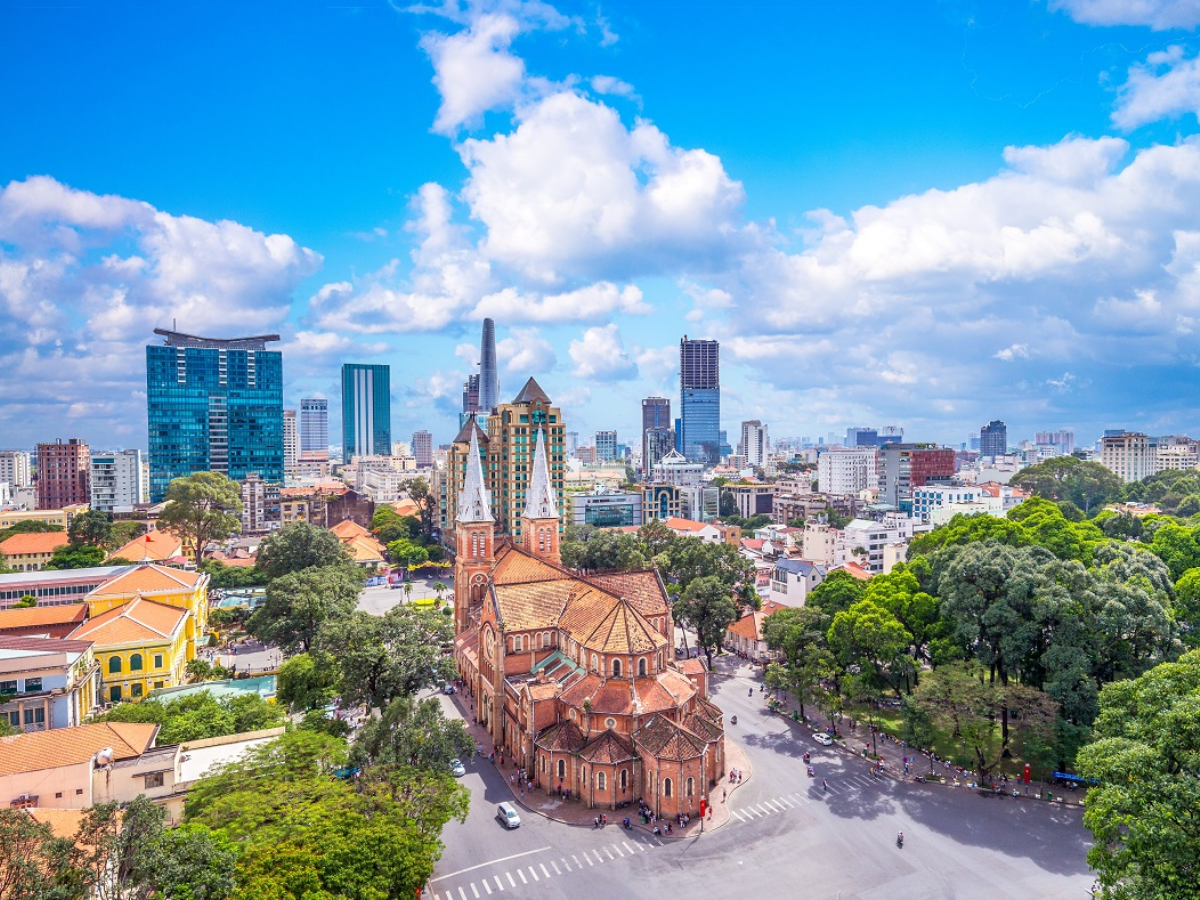
The city’s historic core reflects layers of twentieth-century transformation. Landmarks such as the Notre-Dame Cathedral Basilica of Saigon, the Reunification Palace, and the War Remnants Museum anchor this narrative, tracing colonial administration, wartime conflict and post-war reunification. French-era colonial buildings remain integrated into active boulevards rather than preserved as isolated monuments.
Yet Sai Gon’s defining character lies in its momentum. Markets operate alongside high-rise offices, independent galleries share districts with traditional street vendors, and a network of fascinating museums documents the country’s political and cultural evolution. The city does not pause around its past; it incorporates it into a constantly shifting urban landscape.
Sai Gon reveals Vietnam in motion, offering insight into the country’s present trajectory as much as its past.
7. Mekong Delta
The Mekong Delta spans southern Vietnam, characterized by a dense network of rivers and canals, where water determines the rhythm of everyday life. Instead of roads, narrow waterways dominate the landscape, with boats transporting goods through channels bordered by orchards and rice fields.
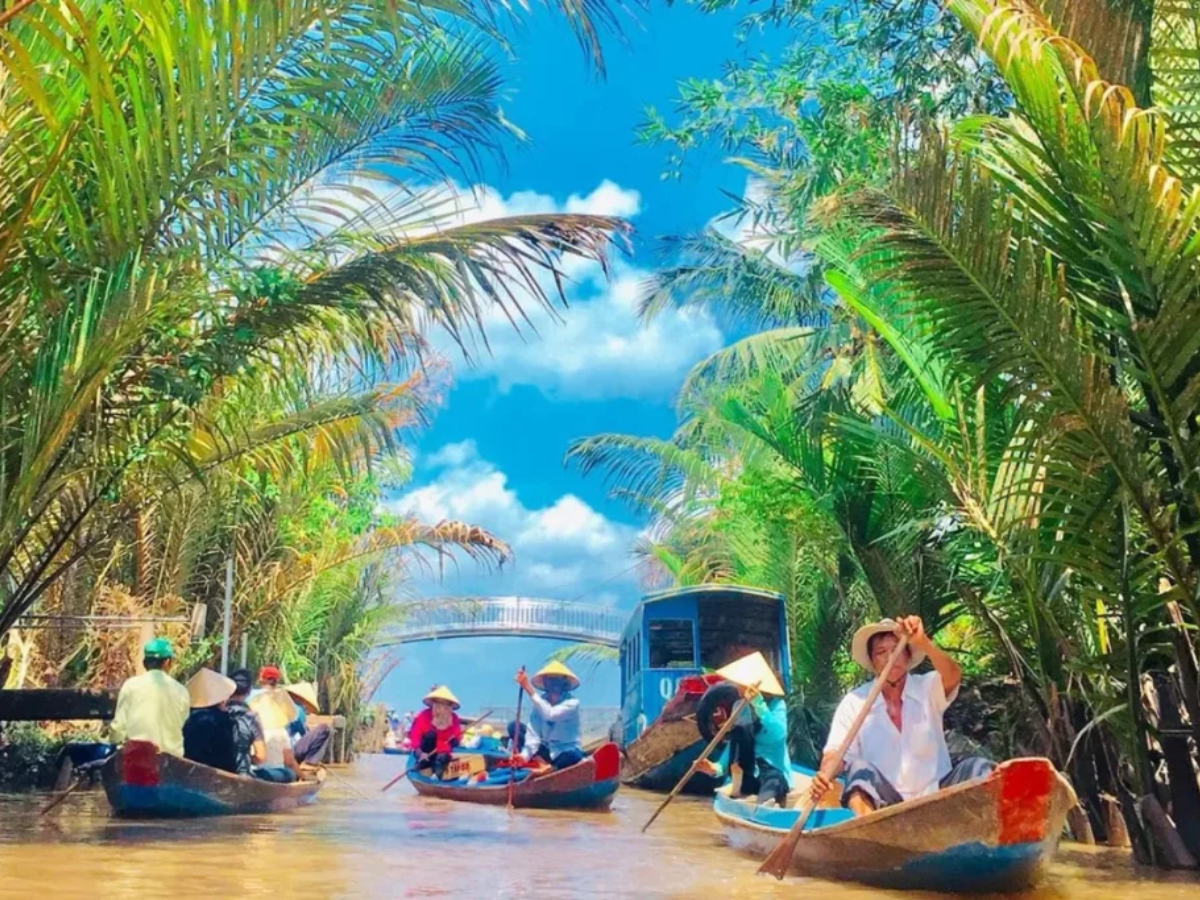
This region forms one of the country’s most productive agricultural zones. Fertile farmland yields rice and tropical fruit in abundance, creating uninterrupted verdant landscapes that shift with the seasons. Small traditional villages stand along canal banks, connected more by water than by highways.
At dawn, floating markets come into motion as trading boats gather to exchange produce directly on the river. The activity is practical and unscripted, reflecting a commercial system shaped by geography rather than tourism design.
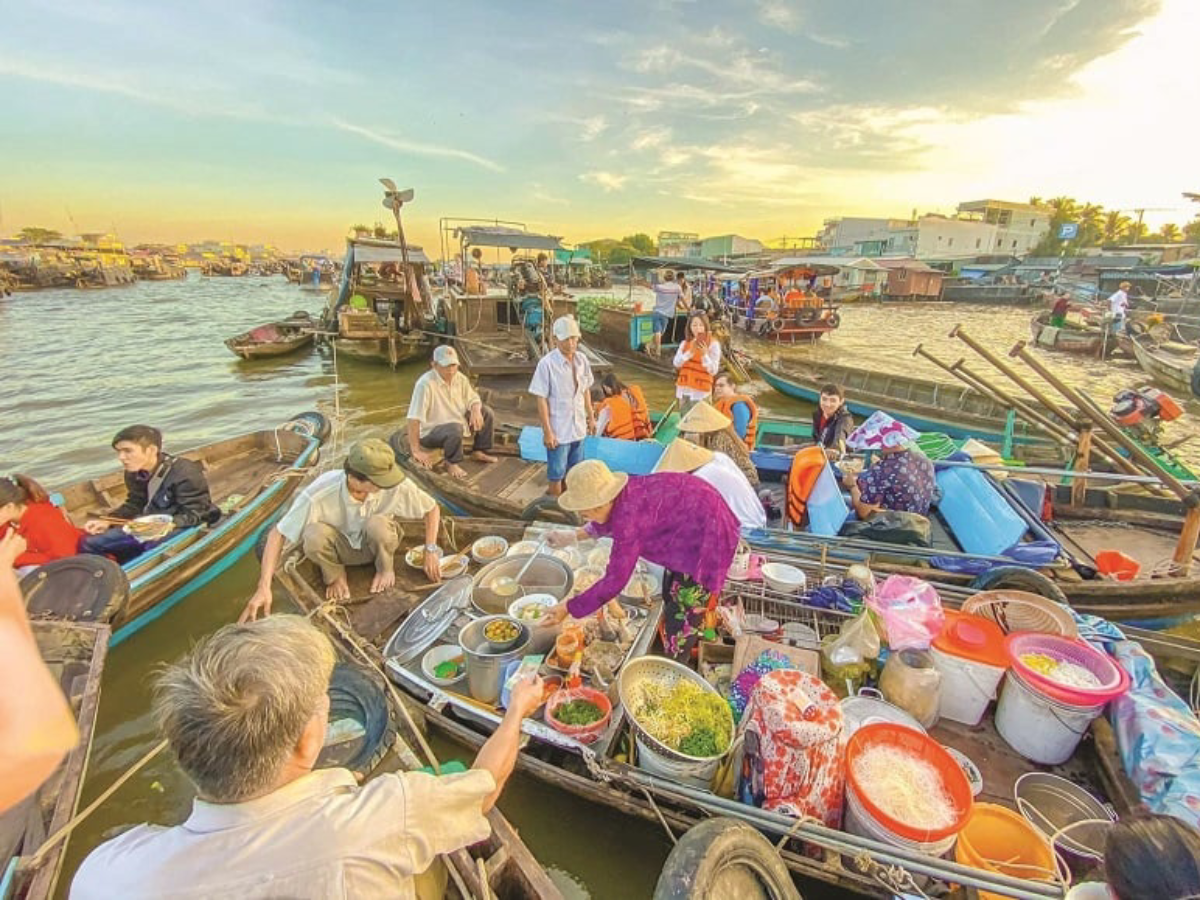
What draws many visitors is the delta’s atmosphere. Shaded canals, slow-moving boats, and riverside homes create a sense of authenticity and tranquility that feels far removed from Vietnam’s major cities. The Mekong Delta does not revolve around monuments; it reveals a landscape where daily life continues to flow with the river.
8. Phu Quoc Island
Phu Quoc, often referred to as Vietnam's enchanting "pearl island," has truly blossomed into a tropical paradise in recent years. Nestled off the southern coast, this vibrant destination beautifully merges stunning sandy beaches, turquoise waters, and lush, forested interiors, all within easy reach. The island's beaches are particularly captivating! Sao Beach and Khem Beach invite you with their fine white sand beaches and tranquil waters, while Ganh Dau Beach, Cua Can Beach, and Lang Ong Beach offer serene spots embraced by verdant landscapes and charming coastal developments.
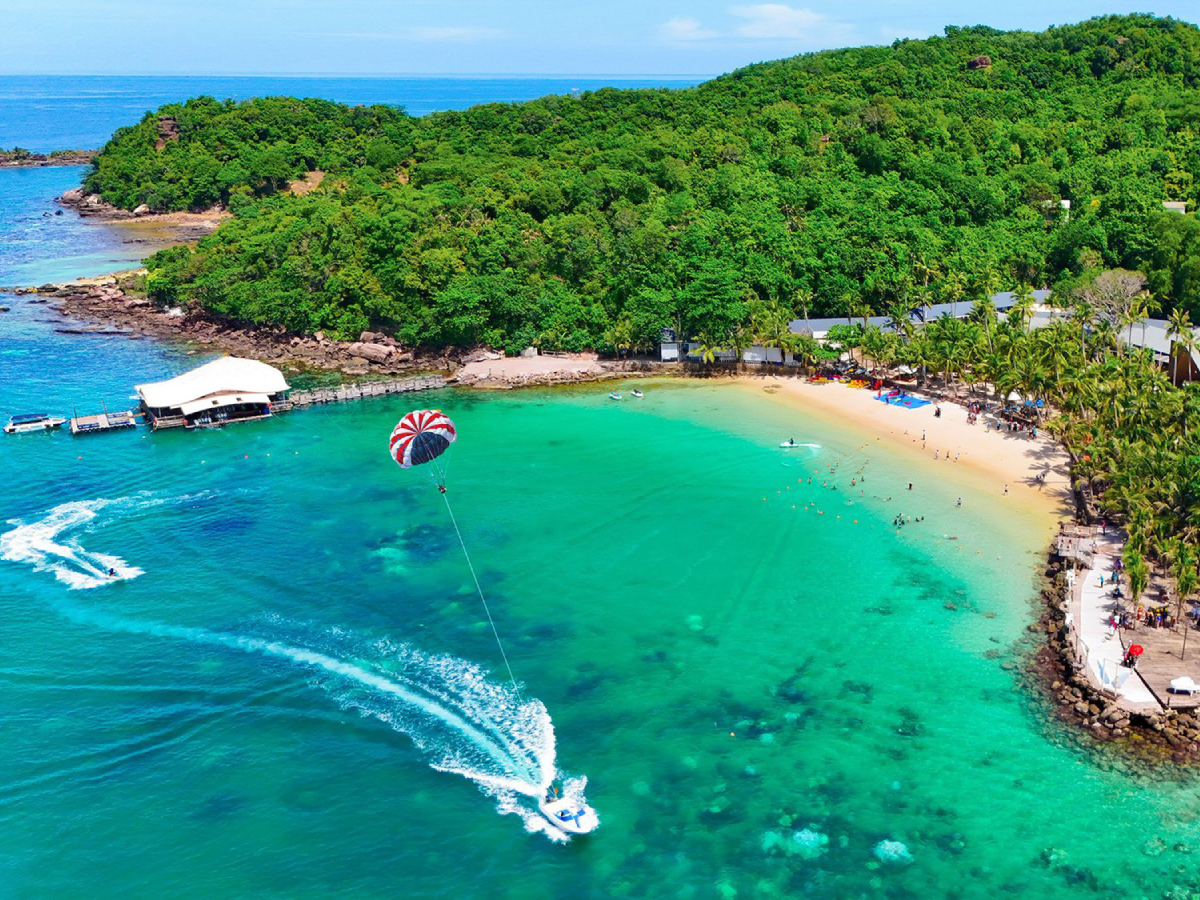
Accommodation options in Phu Quoc range widely, including boutique resorts and ultra-luxurious, award-winning resorts that cater to families with small children, couples, and friends. For a more peaceful experience, you may want to consider hotels on isolated beaches, such as Mango Bay, Green Bay Resort, or Chen Sea Resort. The most popular beach is Bai Truong (Long Beach), which offers central convenience and breathtaking sunsets and features numerous brand properties, such as the Novotel Resort, Pullman, Sol by Melia, Intercontinental Resort et Regent Phu Quoc. If you are looking for a luxurious atmosphere, check out Kem Beach, home to the JW Marriott Phu Quoc and Premier Village Resort.
Beyond beach relaxation, Phu Quoc offers a mix of thrilling theme parks, marine and terrestrial activities. Top activities include riding the world's longest sea-crossing cable car to Hon Thom Island, exploring VinWonders amusement park, visiting the Phu Quoc Night Market, snorkeling in the south to explore coral and marine fauna systems in crystal waters, hiking through primary forests, and watching sunsets and show Kiss of the Sea in Sunset Town.
Phu Quoc reflects both established coastal beauty and the rapid evolution of Vietnam’s island tourism landscape.
Vietnam’s travel landscape in 2026 is defined by contrast and momentum. Historic capitals, UNESCO-listed landmarks and long-established icons continue to anchor the country’s global image, while evolving coastal hubs and infrastructure-driven destinations signal a new phase of development.
This balance between heritage and transformation is what shapes Vietnam’s position in Southeast Asia today - a destination where legacy remains visible and the next chapter is already underway.