
Hoi An is often reduced to its lantern-lit Old Town, yet the town carries a broader rhythm shaped by river life, craft villages and a nearby coastline. To truly discover the historic and charming town of Hoi An, a brief stop is not enough. Here are the best things to do in Hoi An in 2026.
1.Top 11 things to do in Hoi An
1.1. Get lost in the Old Town and sample the nightlife
The best way to approach Hoi An’s Old Town is without a strict plan. Its streets are short, interconnected, and easy to navigate, which makes wandering more rewarding than following a fixed route.
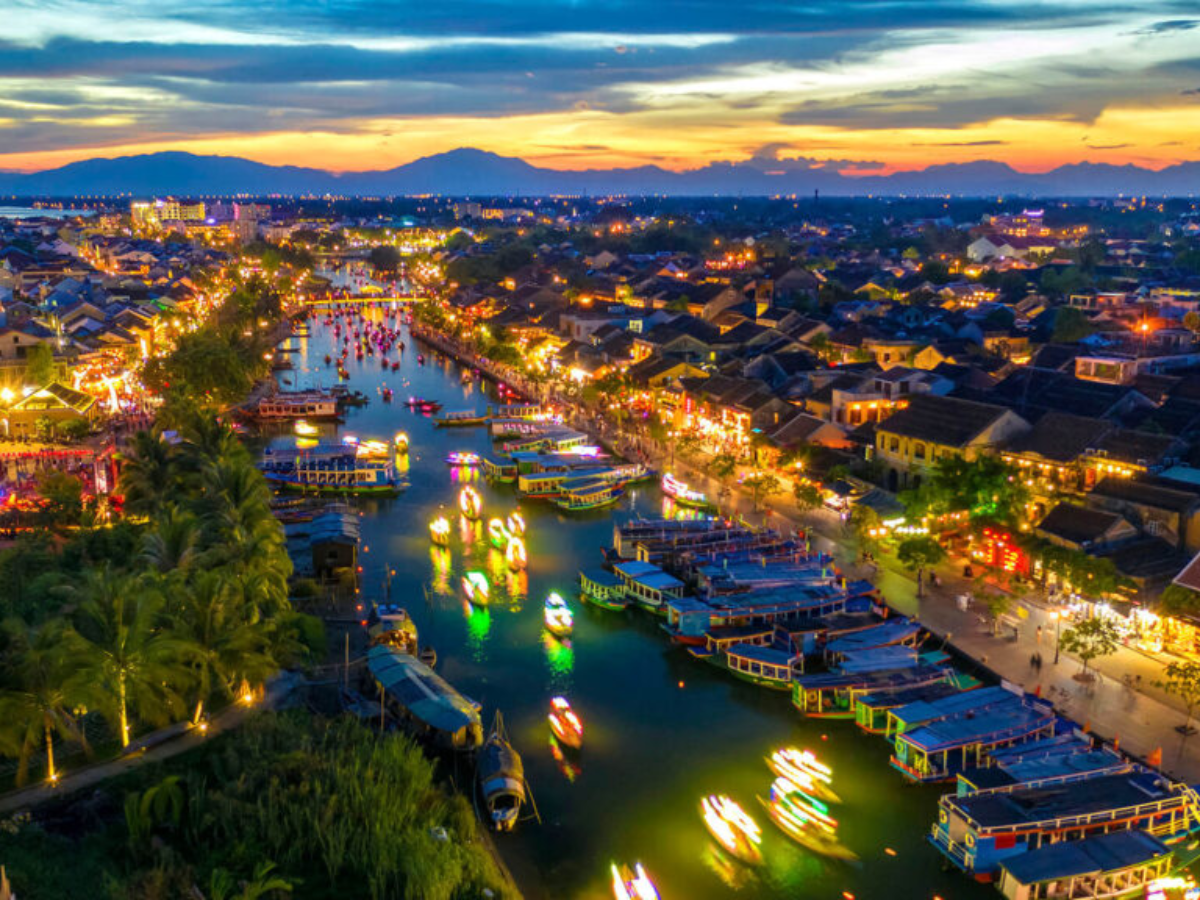
Landmarks such as the Japanese Bridge, Fujian Assembly Hall, and Cantonese Assembly Hall provide architectural and historical context, but the atmosphere between these sites often leaves a stronger impression than the monuments themselves. Narrow shop houses, timber beams darkened by age, and courtyards designed to cope with flooding reflect how merchants once lived and traded here.
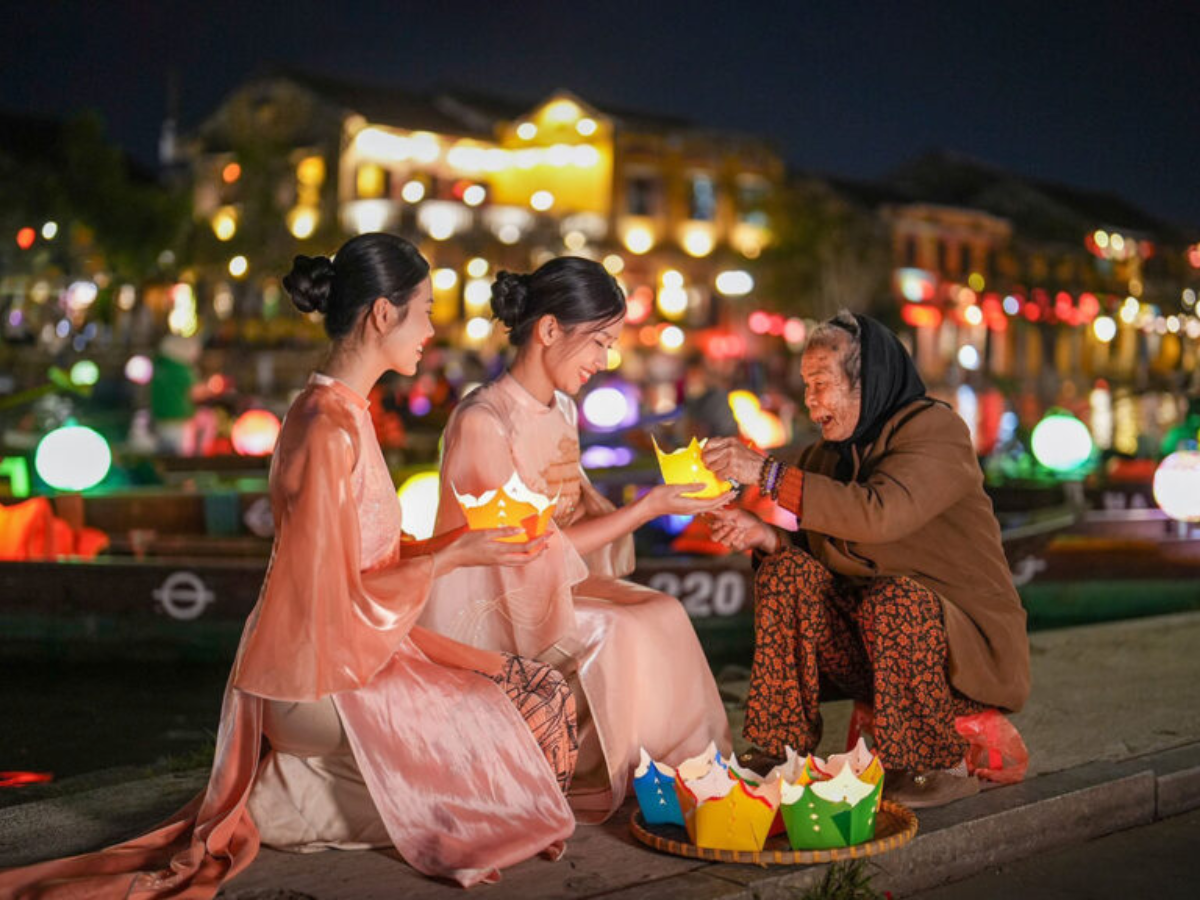
As daylight fades, the mood shifts. Riverside cafés fill gradually, small bars open their doors, and lantern light spreads across the façades along the Thu Bon River. Nightlife in Hoi An is not club-driven or loud; it leans toward intimate bars, live acoustic music and late-opening coffee shops. Staying past dinner allows the town to feel less like a daytime heritage site and more like a living place.
1.2. Cycling through Hoi An’s countryside and craft villages
A bicycle changes how Hoi An feels. Within ten minutes of leaving the Old Town, traffic fades, and village paths run between rice paddies and herb gardens. This is where the authentic agricultural and artisanal villages around Hoi An begin to make sense.
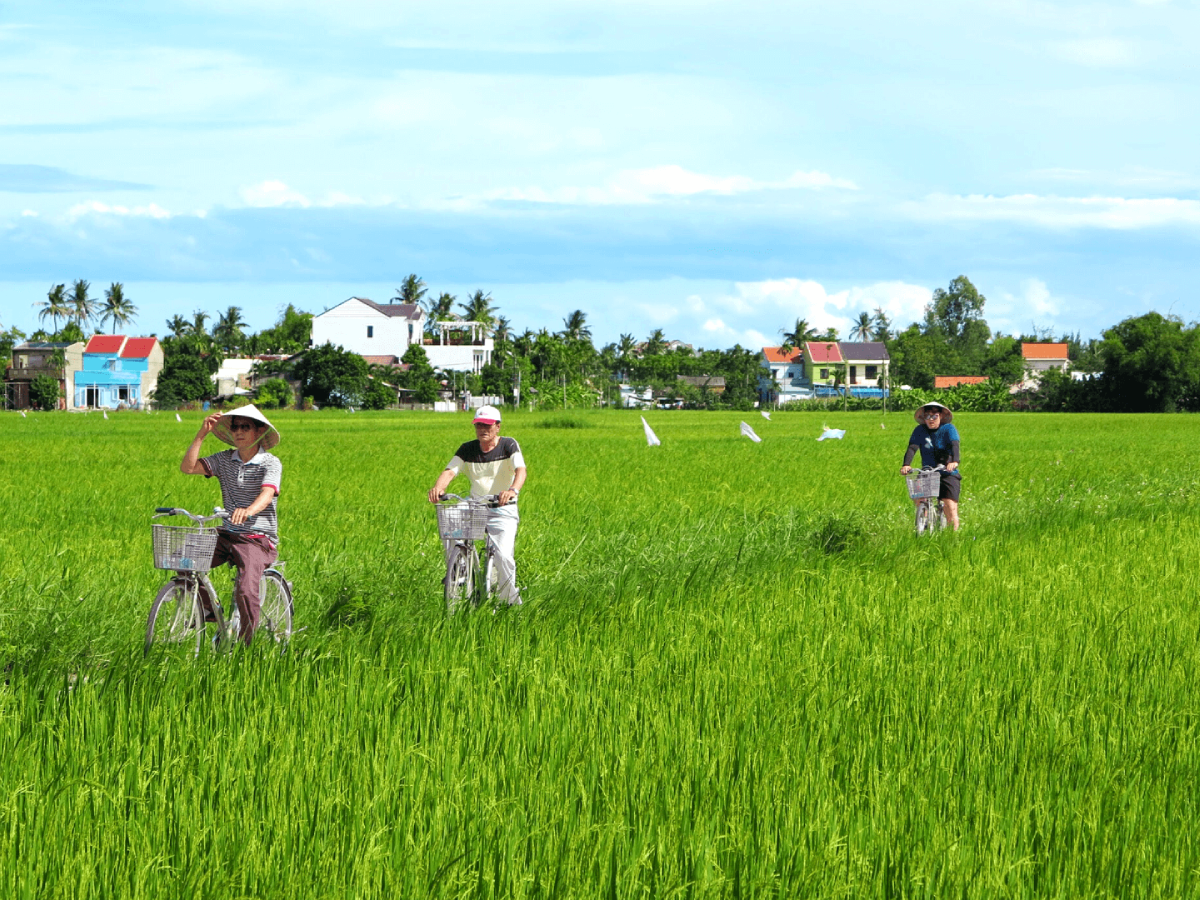
Tra Que is best visited early, before 9 am. Farmers use lagoon seaweed as fertilizer, which gives the herbs a stronger aroma than industrially grown produce. Many of the greens served in town’s signature dishes come directly from these plots. Watching the morning harvest explains more about local food than any cooking class brochure.
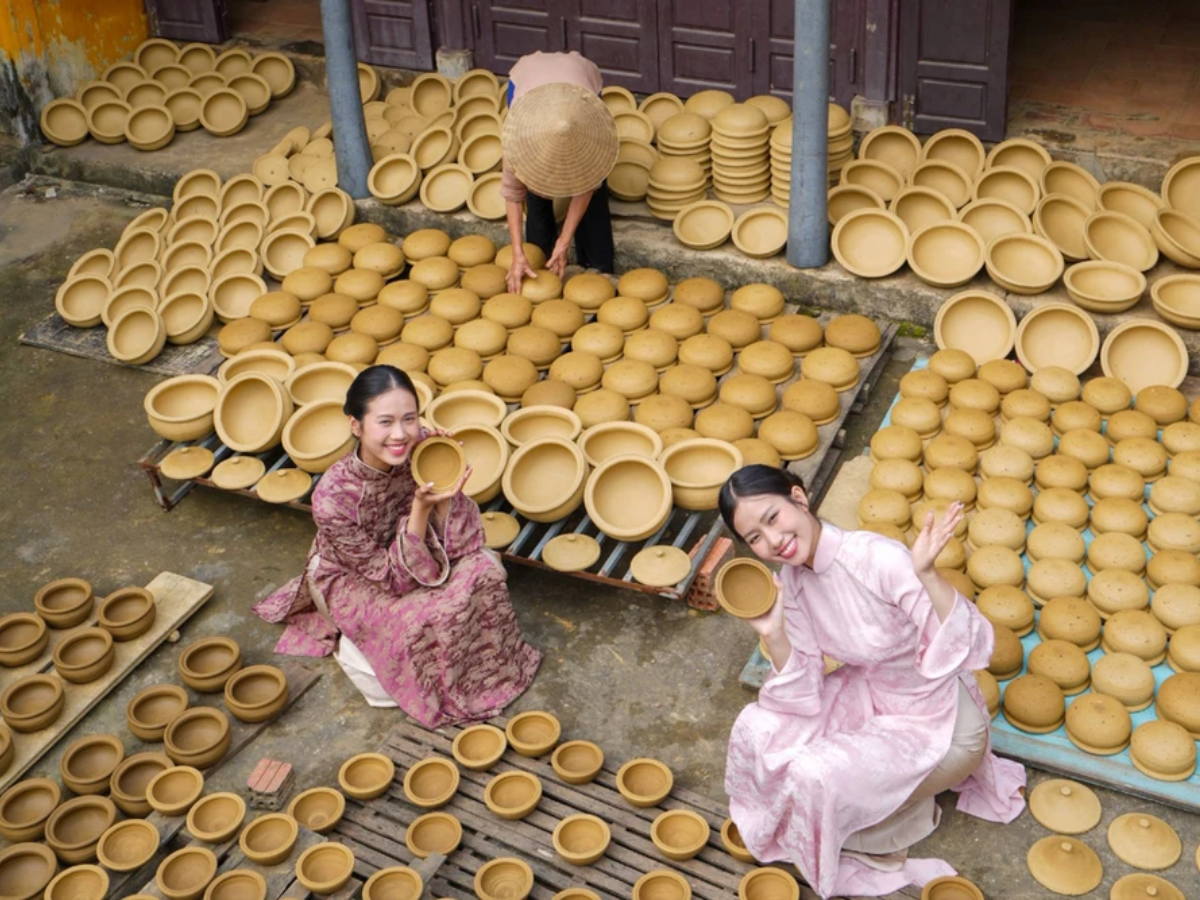
Beyond Tra Que, other villages illustrate the colorful life of Hoian's countryside. On Cam Kim, carpentry remains a visible trade; workshops open directly onto the road, with timber stacked outside and hand-finished furniture in progress. Along the river in Thanh Ha pottery village, ceramic production dates back centuries, once supplying households across central Vietnam. Deeper inside the village, traditional kilns are still used to fire locally sourced clay, producing the recognizable reddish tone associated with the area. In Cam Thanh, waterways cut through nipa palm groves where fishing and small-scale tourism coexist, reflecting how rural livelihoods have adapted without disappearing entirely.
The loop is short, yet the change in perspective is clear, revealing a side of Hoi An that feels lived-in rather than carefully preserved.
1.3. Experiencing river life on the Thu Bon
The Thu Bon River has always been central to Hoi An’s identity. Long before guided walks and ticket counters, this was the route that connected inland producers with international traders. Spending time on a boat excursion helps place the Old Town in that broader context.
Lanterns are visible along the riverfront every evening, not only on special occasions. However, on the 14th day of each lunar month, Hoi An holds its Full Moon Lantern Festival. On those nights, parts of the Old Town dim electric lighting, and the river becomes noticeably more atmospheric and significantly more crowded. Weekends in peak season can feel similar, though less ceremonial.
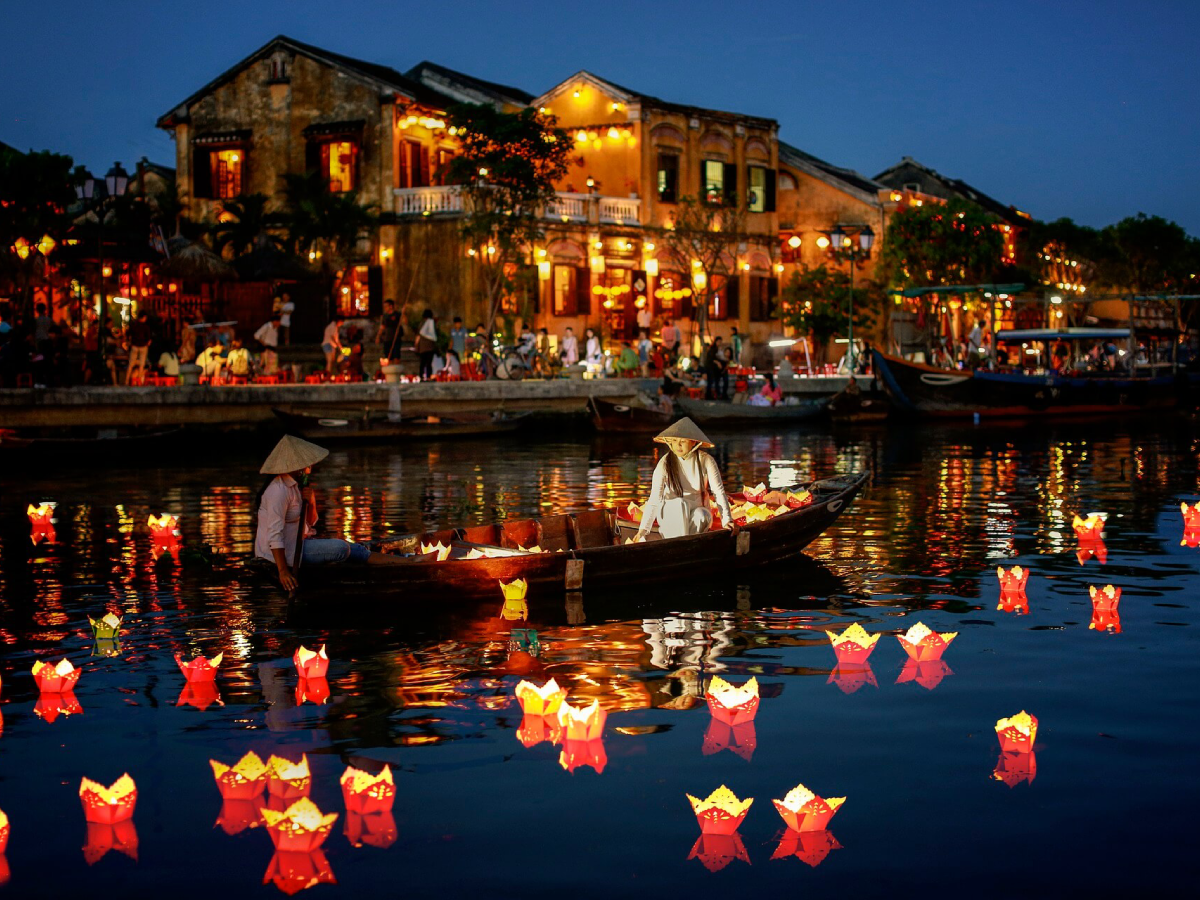
A short Hoi An river cruise typically lasts 30 - 45 minutes and covers the stretch near Bach Dang Street and slightly upstream where the river opens out. Boats can be arranged directly at the riverside pier without advance booking in most periods. In 2026, shared wooden boats generally cost around 150,000 - 200,000 VND per boat for short rides, while private sunset trips range from approximately 300,000 - 500,000 VND depending on duration.
Further south in Cam Thanh, the well-known basket boat tour in Hoi An takes place within nipa palm waterways. These rides are separate from the central river cruise and usually cost between 100,000–150,000 VND per person. Experiences vary by operator, so asking about group size and style before boarding can make a difference.
Whether arranged independently or as part of large Hoi An tours, spending time on the river adds context rather than spectacle. It clarifies why the town developed here and why the waterfront still shapes its rhythm today.
1.4. Relaxing on the beaches near Hoi An
Hoi An’s coastline sits only 4-6 kilometers from the Old Town, but the beaches differ more than many first-time visitors expect. Choosing the right one depends on how much time you have and what kind of setting you prefer.
An Bang Beach: The most dependable choice overall. The sandy stretch is wider and more stable than others in recent years, and the seabed slopes gradually, making swimming generally safer during the dry season (March - September). It has the best mix of accessibility, restaurants, and sunbeds without feeling overly built up. If you only have half a day, An Bang is the most straightforward option.

Tan Thanh Beach: Located just north of An Bang, this area feels more residential. Fewer large restaurants and more boutique-style cafés create a quieter atmosphere. The sand strip can be narrower in certain seasons, and facilities are more limited, but it appeals to travelers staying nearby who prefer a low-key setting over a social beach scene.
Cua Dai Beach: Cua Dai no longer presents a wide, continuous shoreline; beach width now shifts with season and tide, with the most stable sand typically found in front of established resorts where maintenance is ongoing. During calmer months (March–September), swimming can be comparable to An Bang, though the setting feels quieter and more dispersed.
Binh Minh Beach: Further south toward Dien Ban, this stretch remains largely local. Infrastructure is minimal, and English-language services are limited. The advantage is space: even during peak season, it rarely feels crowded. It suits travelers looking for a tranquil shoreline rather than convenience.
*Sea conditions: From October through January, stronger winds from the northeast can produce rougher waves along this part of the central coast, making swimming less comfortable. Between March and September, the sea is generally calmer and clearer.
Hoi An’s beaches are not standalone resort destinations in the way Phu Quoc or Nha Trang might be. They work best as part of a balanced itinerary - a few relaxed hours by the sea between cultural exploration and countryside visits.
1.5. Visiting My Son Sanctuary
About 40 kilometers from Hoi An, My Son Sanctuary is a UNESCO World Heritage Site and the former religious center of the Champa Kingdom from the 4th to the 13th centuries. The surviving brick towers stand in a quiet valley ringed by low hills. The scale is smaller than many expect, and much of the complex was damaged in the 20th century, yet the craftsmanship remains compelling. The Cham brickwork assembled without visible mortar is still studied today, and carvings dedicated to Hindu deities such as Shiva can still be seen on several towers.
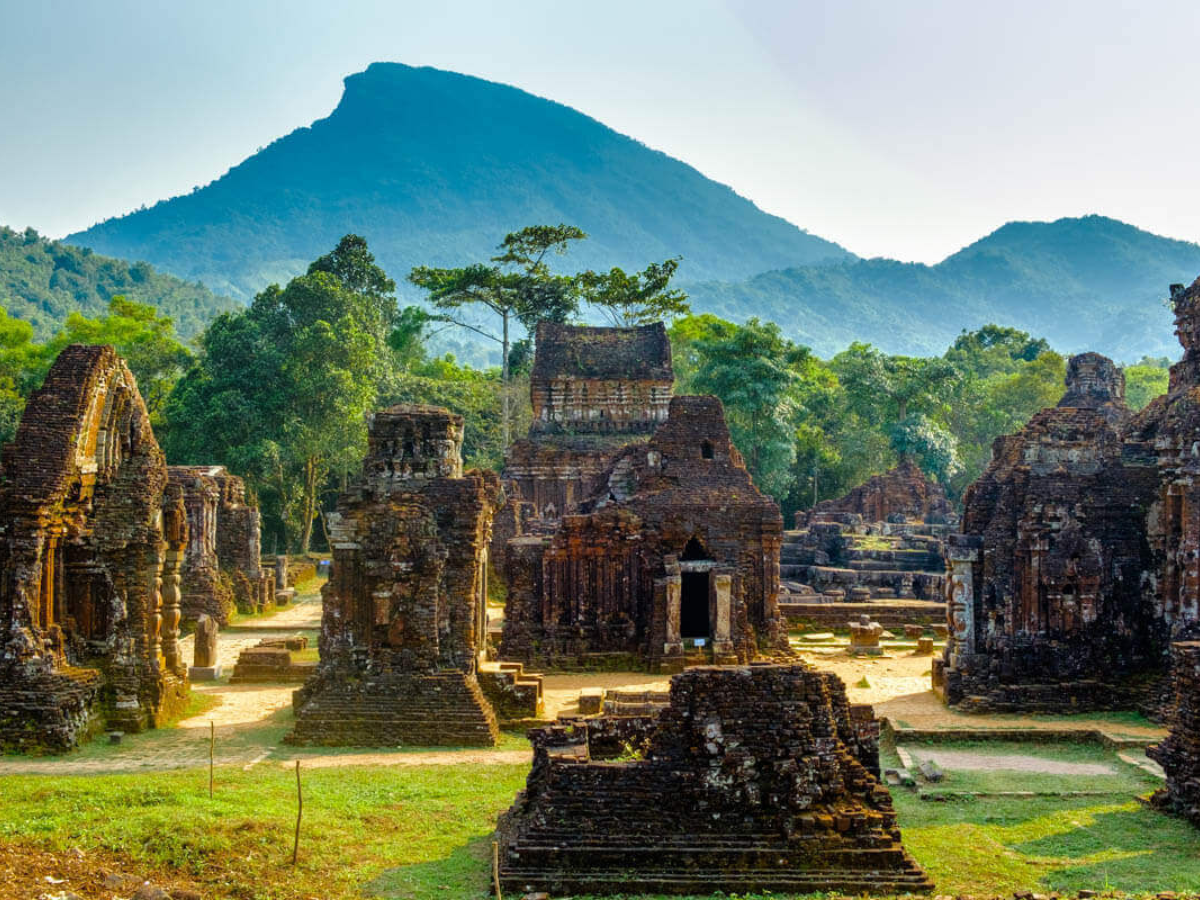
The experience is shaped as much by climate as by history. By mid-morning, the valley holds heat and shaded areas become limited, which is why most My Son tours from Hoi An leave early. Expect uneven pathways and a fair amount of walking between temple groups. A visit usually takes around two hours, moving at a steady pace. As of 2026, the entrance fee is approximately 150,000 VND per person and includes access to the site along with scheduled Cham dance performances near the visitor area.
My Son is not overwhelming in scale, but it deepens the historical arc of a Hoi An itinerary, revealing a civilization that shaped central Vietnam centuries before the port town emerged.
1.6. A Day Trip to the Golden Bridge
The Golden Bridge (Cau Vang), located at Ba Na Hills about 1-1.5 hours from Hoi An, has become one of Vietnam’s most photographed landmarks. Suspended above forested hills and supported by two monumental stone hands, the bridge was conceived as a viewing platform rather than a historic monument. Its visual appeal depends heavily on conditions: on clear mornings, the elevation offers wide views toward Da Nang and the coastline; by midday, haze can soften visibility, particularly during the hotter months.

Reaching the bridge involves entering the Ba Na Hills mountain complex and taking the cable car, which is mandatory and forms part of the experience. The ascent itself lasts roughly 15–20 minutes and rises above dense hillside terrain before arriving near the bridge level. Ticket prices generally range around one million VND per adult, varying slightly by season and package inclusions. Because the site operates within a broader entertainment complex, crowd levels fluctuate with domestic holidays and school breaks, with late morning typically seeing the heaviest foot traffic.
For travelers based in Hoi An, the Golden Bridge functions best as a focused half-day excursion. It delivers contemporary spectacle rather than historical depth, offering a deliberate contrast to the Old Town and My Son.
1.7. Discovering Cham Island
Cham Islands (Cu Lao Cham) offer a sea-based break from Hoi An’s historic streets. The archipelago is part of a UNESCO biosphere reserve, and that status shapes what visitors see: development is limited, large resorts are absent, and certain marine areas are regulated to protect coral. The islands were also among the first in Vietnam to restrict single-use plastics, a policy that has had a visible impact on waste levels.

Most visitors join a Cham Islands tour from Hoi An, departing from Cua Dai port in the morning. The speedboat ride takes roughly 20 minutes in calm weather, though crossings can feel rough between October and January when northeast winds strengthen, which we don't recommend. Snorkeling is most reliable from March to August, when water clarity improves; in the rainy season, visibility can drop and reef colors appear muted.
Time on Hon Lao, the main island, typically includes a reef stop and lunch at simple beachfront restaurants rather than resort facilities. By late morning, day-trip groups begin to concentrate around the main pier area, so earlier departures tend to feel less crowded. The Cham Islands suit travelers who want open water and light marine activity for a day, without shifting the focus of their trip entirely away from Hoi An.
1.8. Shopping for local crafts and tailor-made pieces
Shopping in Hoi An feels effortless at first glance. Stores sit close together, fabrics spill onto the pavement, lanterns hang overhead, and invitations to “just take a look” are constant. The experience becomes more rewarding once you slow down and pay attention to how things are made.
Custom tailoring
Celebrated as Vietnam's tailoring capital, Hoi An is a haven for those seeking high-quality, custom-made clothing. This ancient town boasts hundreds of skilled tailors who can create bespoke suits, dresses, and leather goods within 24-48 hours. Visitors can select premium fabrics and provide designs, with experts offering fittings to ensure a perfect fit before final production outsource production pass production elsewhere. Prices range from 1.5 to 2 million VND, depending on fabric quality and construction.
Lanterns
Lanterns line nearly every street. The iconic, handcrafted decorations symbolize luck and happiness. They feature bamboo frames covered in colorful silk. Originating in the 16th century from trade, these lanterns illuminate Hoi An's Ancient Town each night, especially during the monthly Lunar Lantern Festival, held on the 14th day of the lunar month. The festival offers enchanting boat rides and creates a magical atmosphere. Expect 150,000-400,000 VND depending on size and workmanship. If packed carefully, handmade versions travel well.
Ceramics and woodcraft
Pieces from Thanh Ha and Cam Kim villages often show their quality in subtler ways. Even glazing, balanced weight, and clean joinery tell you more than decorative patterns. Many carved “antique-style” items are newly made for display value alone. Choosing smaller, functional pieces tends to bring better long-term use and easier transport.
Coffee and local specialties
Freshly roasted Vietnamese coffee remains one of the most reliable purchases. Reputable shops can describe bean origin and roast level clearly. Pre-packaged spices and condiments also travel easily and retain a stronger regional link than generic souvenir items.
Negotiation is expected in open markets, though pricing in established boutiques is usually fixed. International shipping is available for larger items, with fees varying by destination.
The most rewarding shopping in Hoi An comes from slowing down, asking questions, and recognizing which products still connect to working crafts in the region.
1.9. Tasting Hoi An’s regional specialties
Hoi An’s specialties reflect Quang Nam province more broadly, built around fresh herbs, modest broth, and concentrated seasoning. Most dishes remain affordable and are best sampled in small local eateries rather than hotel restaurants.
Cao Lầu
Thick, chewy noodles topped with sliced pork, fresh herbs from nearby farms, crispy croutons, and only a small amount of broth. The texture is firmer than pho, with a slightly smoky depth from the pork. Long-running local spots such as Cao Lầu Thanh are known for consistency, though many neighborhood eateries serve solid versions. Expect 30,000 - 50,000 VND per bowl.
Hoành Thánh
Delicate steamed rice dumplings filled with minced shrimp or pork, finished with fried shallots. The wrappers are traditionally supplied by a single family workshop in town, which explains their uniform thinness across many restaurants. Light and subtle in flavor, usually 50,000 - 80,000 VND per plate.
Mì Quảng
Turmeric-tinted noodles served with pork, shrimp, or chicken in a shallow layer of broth. Peanuts, herbs, and sesame rice crackers add texture. The broth is concentrated and served sparingly, creating a richer mouthfeel than northern noodle soups. Popular casual eateries around Cam Chau and the Old Town sell bowls for 35,000 - 60,000 VND.
Bánh Mì Hội An
Crisp baguettes filled with pâté, grilled pork, pickled vegetables, chili sauce and herbs. The bread should crack lightly without turning dry. Well-known vendors such as Bánh Mì Phượng and Madam Khanh attract queues, though quality can fluctuate during peak hours. Prices typically range between 20,000 - 35,000 VND.
Trying these dishes at smaller, locally frequented establishments often gives a clearer sense of seasoning balance and texture than versions adapted heavily for tour groups.
1.10. Go Café-hopping in Hoi An
Coffee in Hoi An shifts with the hour. Early mornings belong to small pavement cafés where locals sit low to the ground, drinking strong black coffee before shops open. By late afternoon, shaded courtyards and upper floors begin to fill, especially once the heat eases.
Most visitors start with Vietnamese phin coffee. The brew drips slowly through a metal filter, producing a dense, dark cup built on heavy roast. Cà phê sữa đá balances that intensity with condensed milk; black coffee keeps the bitterness intact. In neighborhood cafés, prices usually sit around 20,000 - 35,000 VND.
Specialty coffee has grown steadily in recent years. Places such as The Espresso Station, Rosie’s Café, and Hoi An Roastery reflect this shift, offering lighter roast profiles and cleaner extraction. Prices in these spaces typically range from 45,000 - 70,000 VND, depending on preparation style.
Riverside spots along Bach Dang Street fill quickly after sunset and can feel transient. A few blocks away in Cam Chau or near smaller residential lanes, seating is steadier and less photo-driven. Mid-morning and late afternoon are generally the most comfortable windows; midday heat shortens most visits.
Café-hopping works best when it creates space between activities. In Hoi An, coffee is less about spectacle and more about pause.
1.11. Cultural performances in the evening
Evenings in Hoi An are not limited to lantern walks and riverside cafés. Several structured productions now run regularly, offering staged interpretations of Vietnamese history and contemporary performance. The scale and tone vary considerably, so the choice depends on what kind of evening you prefer.
Hoi An Memories is staged on a large outdoor island theatre and presents a sweeping narrative of Hoi An’s trading past. The production relies on choreography, lighting, and visual scale, with minimal dialogue, making it accessible to international audiences.
The Dar Show centers on bamboo circus techniques and live ethnic music. The performance is more compact and physically driven, focusing on rhythm and movement.
The Mist leans toward contemporary dance inspired by rural life in southern Vietnam, with an emphasis on staging and mood rather than spectacle.
Cultural shows in Hoi An - Quick comparison (2026)
| Show | Format | Artistic focus | Duration | Ticket range | Best for |
| Hoi An Memories | Outdoor large-scale production | Hoi An & Vietnamese trading history | ~60 - 75 mins | ~600,000 VND+ | First-time visitors, families |
| The Dar Show | Indoor bamboo circus | Physical theatre & ethnic music | ~60 mins | ~700,000 - 1,000,000 VND | Couples, performance-focused travelers |
| The Mist | Contemporary dance theatre | Rural life & modern choreography | ~60 mins | ~700,000 - 900,000 VND | Art-oriented audiences |
*Note: Ticket prices are indicative and vary by seating category, season, and promotional periods.
For travelers who want one structured night within an otherwise fluid itinerary, these performances provide a clear, time-bound experience that contrasts naturally with the town’s open-ended atmosphere.
2. Hoi An weather and best time to visit
Hoi An remains warm throughout the year (around 24-35°C), but rainfall patterns and sea conditions significantly influence beach access and island trips.
Dry months (February - August)
Weather stability: Mostly clear skies and limited rainfall
Sea conditions: Better visibility and calmer waters for Cham Islands
Heat level: High humidity in June - July; midday can feel intense
Travel impact: Most reliable period for combining Old Town, beaches and countryside cycling
Rainy months (September - January)
Weather stability: Frequent rain, with peak intensity in October - November
Sea conditions: Rougher water; island excursions may be suspended
Heat level: Slightly cooler but more humid during heavy rain periods
Travel impact: Outdoor plans require flexibility; indoor and cultural activities become more practical
March to May generally provides the most balanced conditions. Travelers prioritizing snorkeling and beaches should favor the dry season, while cultural-focused itineraries remain workable year-round with adaptable scheduling.
3. How to get to Hoi An
Hoi An does not have its own airport or train station. Most travelers arrive via Da Nang, located about 30 km north of town.
By air
The closest airport is Da Nang International Airport (DAD). It operates frequent domestic flights from Hanoi, Ho Chi Minh City, Nha Trang, and Phu Quoc, along with regional routes from Bangkok, Seoul, Singapore, and other Asian hubs.
Transfer time to Hoi An: 45 - 60 minutes by car
Private car: approx. 300,000 - 450,000 VND
Shuttle bus: lower cost but fixed schedules
Flying into Da Nang is the most efficient option for international visitors.
By train
The nearest railway station is Da Nang Station, part of Vietnam’s north-south line. Day trains from Hue and overnight trains from Hanoi or Ho Chi Minh City are available.
Da Nang to Hoi An transfer: 45 - 60 minutes by car
Train is slower but offers scenic coastal stretches, especially between Hue and Da NangBy road
By road
Hoi An is well connected by highway and coastal roads.
From Hue: about 3 hours by car or shuttle
From Quy Nhon: 5 - 6 hours
From Da Nang: 45 - 60 minutes
Shared shuttle buses operate between major central Vietnam cities.
For most itineraries, arriving in Da Nang by air and transferring by private car remains the most straightforward approach. Travelers combining Hue and Hoi An often prefer the train or a car transfer via Hai Van Pass for scenic value.
4. Where to stay in Hoi An
Hoi An offers a wide range of accommodation, but scale and location matter more than hotel category. The town is compact, yet pedestrian hours, short driving distances, and seasonal heat influence how convenient a stay feels day to day.
4.1. Staying within walking distance of the Old Town
Staying here places you within walking distance of major sights, restaurants, cafés, and cultural shows. During pedestrian hours, taxis may stop at the edge of the zone, requiring a short walk to your hotel.
Typical price range: ~800,000 - 2,500,000 VND per night
Room size: generally smaller due to heritage building layouts
Pool availability: limited, often compact rooftop pools
Noise level: livelier in the evening
Suggested stays: Little Riverside Hoi An, Villa Soleil Hoi An, Hoianese Tranquil Heritage Hotel, Chillax Old Town Villa,...
Best suited to short stays focused on dining, walking and evening atmosphere.
4.2. Beachfront accommodation
This stretch favors low-rise resorts and private villas with more generous room layouts and clearer separation between guest spaces.
Typical price range (2026): ~1,200,000 - 5,000,000+ VND depending on location and brand
Room size: noticeably larger than central Old Town properties
Pool facilities: full-sized pools are common
Distance to Old Town: 10 - 15 minutes by car or taxi
Suggested stays: Victoria Hoi An Beach Resort, Renaissance Hoi An Resort, Palm Garden Resort,...
An Bang feels more compact with casual beachfront dining nearby, while Cua Dai is quieter and more spread out. This area works well for travelers planning dedicated beach time.
4.3. Countryside retreats and eco resorts
Between the coast and the historic center, rice fields and small waterways surround a growing number of boutique lodges and eco-resorts.
Typical price range: ~900,000 - 3,000,000 VND
Room size: generally spacious, often garden-facing
On-site facilities: bicycles are commonly included
Access: 5-10 minutes by bicycle to the Old Town
Suggested stays: Zest Villas & Spa, Hoi An Chic Hotel,...
This setting offers quieter evenings without feeling remote and suits longer stays where space and slower mornings matter.
In Hoi An, choosing a location first simplifies the rest of the stay. Proximity benefits short cultural visits; shifting toward the beach or countryside reduces daily transfers and evening congestion.
Hoi An lingers because its highlights sit close enough to explore in layers. The best things to do in Hoi An in 2026 move between the Ancient Town’s timbered houses, quiet stretches of sand, river crossings at dusk, and villages where daily work still shapes the landscape. None of these experiences compete with one another; they build on each other.
Whether you explore through organized Hoi An tours or at your own pace, the town rarely feels overwhelming. Its compact scale lets you revisit places at different times and notice details you missed the first time. That quiet continuity is what makes Hoi An stay with you.